
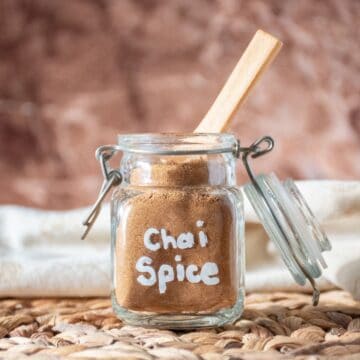
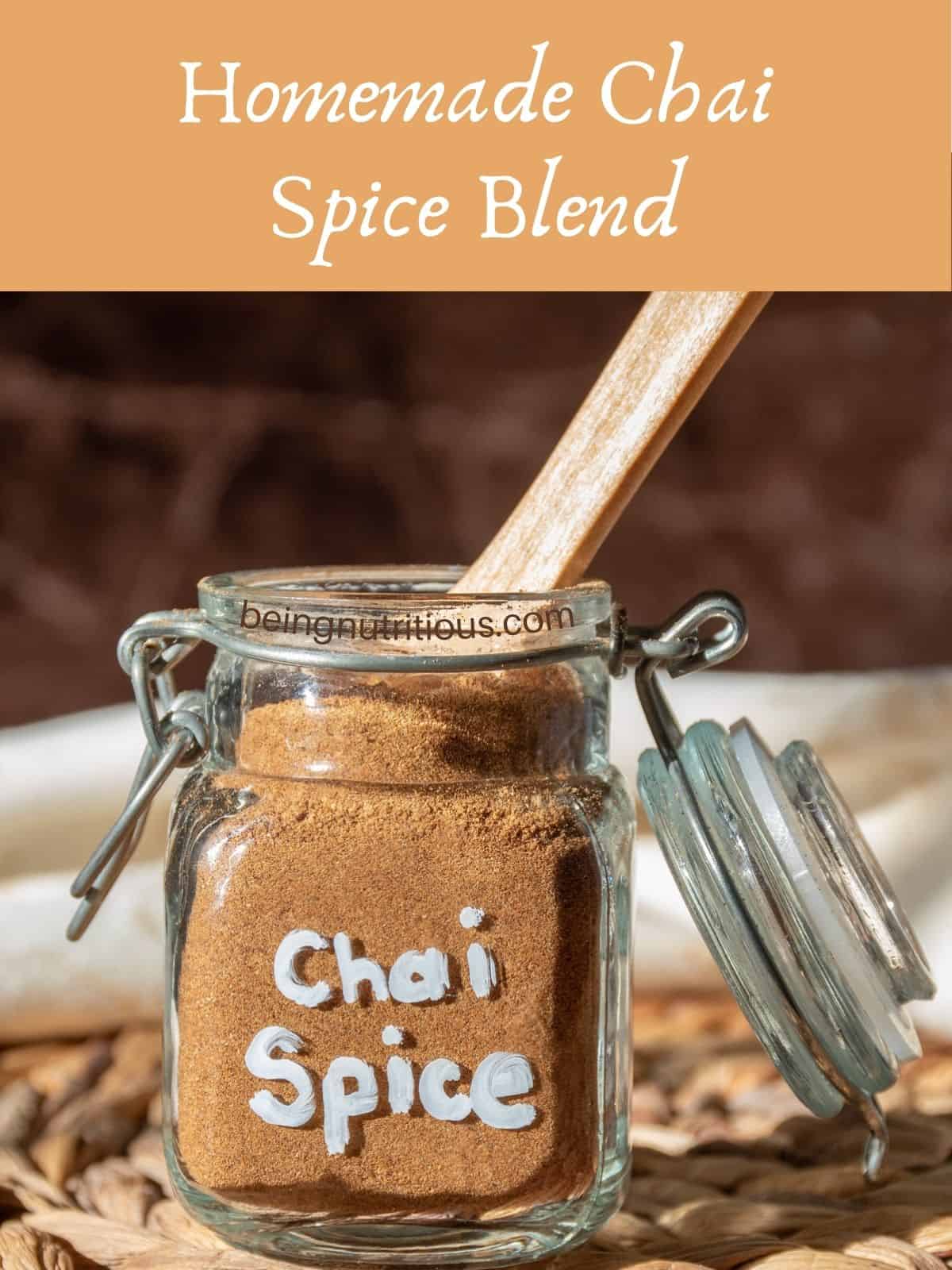
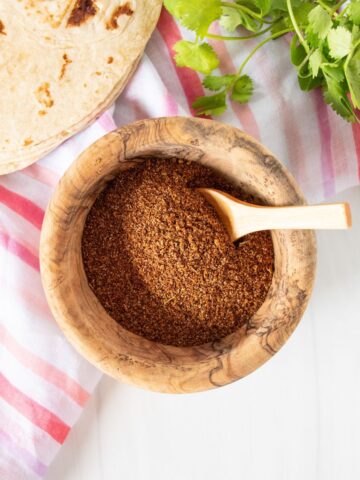
Masala chai is a beverage that blends black tea, milk, sweetener, and a variety of spices into a delicious, warming drink. It is one of the most popular beverages in India. Our Chai Spice Blend uses those same spices to create an irresistible seasoning you can sprinkle on popcorn, toast, oatmeal, or use in a variety of baked goods! This blend is sweet and warming, and a little spicy too, so it complements a wide variety of dishes.
This post may contain affiliate links. See our Disclaimer for more information
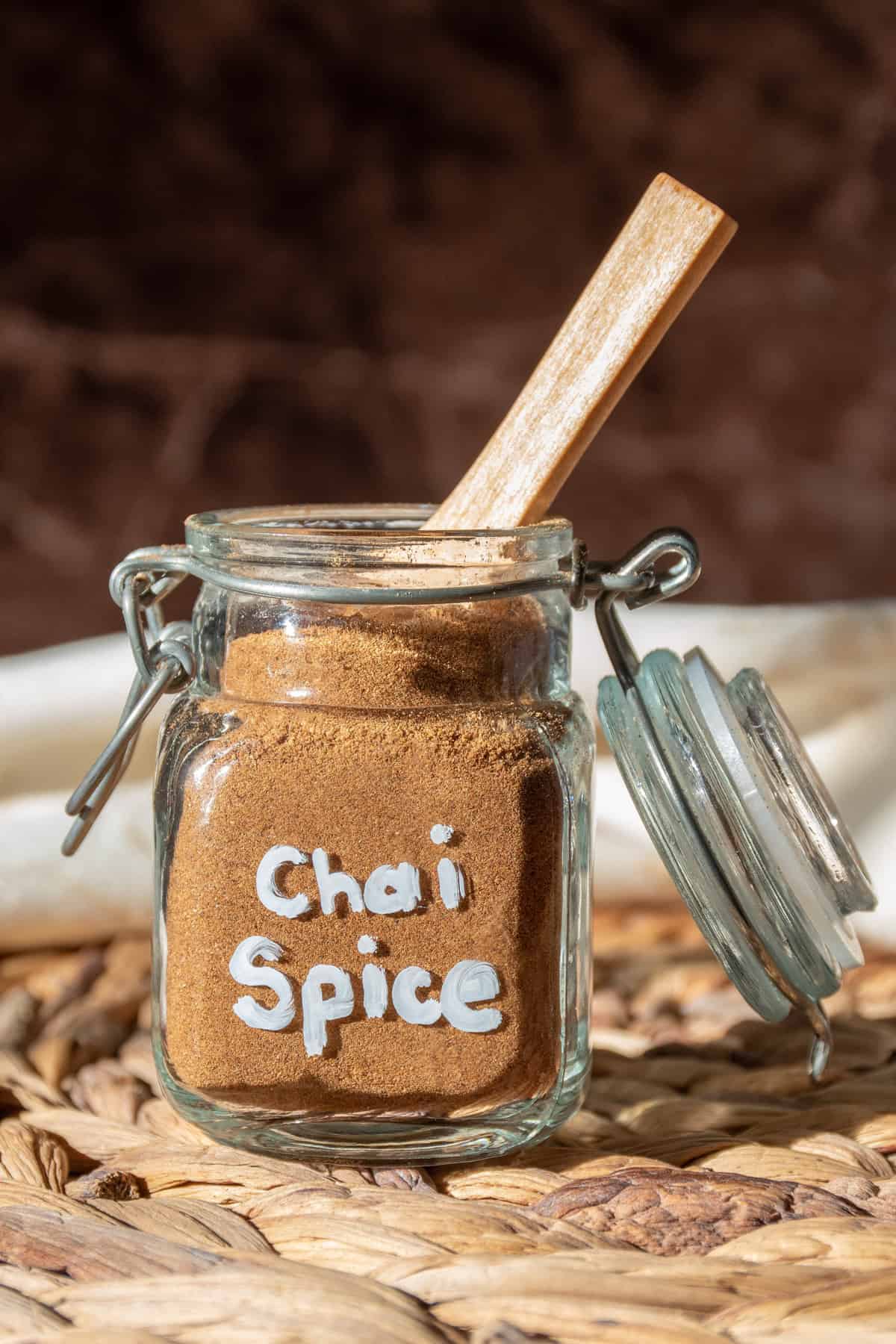
Adding herbs and spices to food is a great way to increase the antioxidants in a delicious way, without adding a ton of calories. And this Chai Spice Blend is like a flavor explosion!
You'll love sprinkling it on stovetop popcorn, in seasonal oatmeal (try it in this apple pie oatmeal!), or adding it to baked goods (like strawberry cardamom muffins).
Jump to:
Heart Health Benefits of Chai Spice Blend
Chai seasoning is low in calories and a great way to add a little extra fiber and a ton of antioxidants and other bioactives to your recipes! These components may have some modest beneficial effects for your heart, including lowering blood pressure, blood lipids, and glucose, in addition to reducing marker of inflammation (1, 2, 3, 4).
Macronutrients
Herbs and spices, like this chai spice blend, are low in carbohydrates, low in fat, and low in protein. This blend is, however, a good source of fiber, and low in total sugar (no added sugar).
Micronutrients and Bioactive Components
We leave salt out of this blend, so it's low sodium. Salt really isn't needed here, and neither is sugar.
The spice blend is an excellent source of manganese, which is a cofactor for enzymes involved in things like cholesterol and glucose metabolism, immune response, and blood clotting.
As mentioned above, the biggest benefit to adding herbs and spices to foods comes in their bioactive components. Here are the prominent bioactives in chai spice blend:
- Cinnamaldehyde and cinnamic acid - (in cinnamon) flavonoids that gives cinnamon its color and flavor. Cinnamon can help lower blood pressure and LDL cholesterol, and raise HDL cholesterol (1, 5, 6);
- Gingerols and shogaols - (in ginger) bioactive phenolics that may have antioxidant, antiplatelet and modest lipid and blood pressure lowering effects (7, 8);
- Terpenes and phenolics - (in cardamom) bioactive components that can help moderate blood pressure, reduce cholesterol, and improve blood glucose control (9, 10, 11);
- Eugenol - (in allspice and cloves) strong antioxidant that may also have antiplatelet, anti inflammatory, and vasorelaxant properties (3, 12); and
- Piperine - (in black pepper) an alkaloid that can increase the absorption of other phytochemicals, and may help improve blood pressure control, glucose tolerance, and inflammation (4).
Ingredients
Here is what you'll need for this recipe.
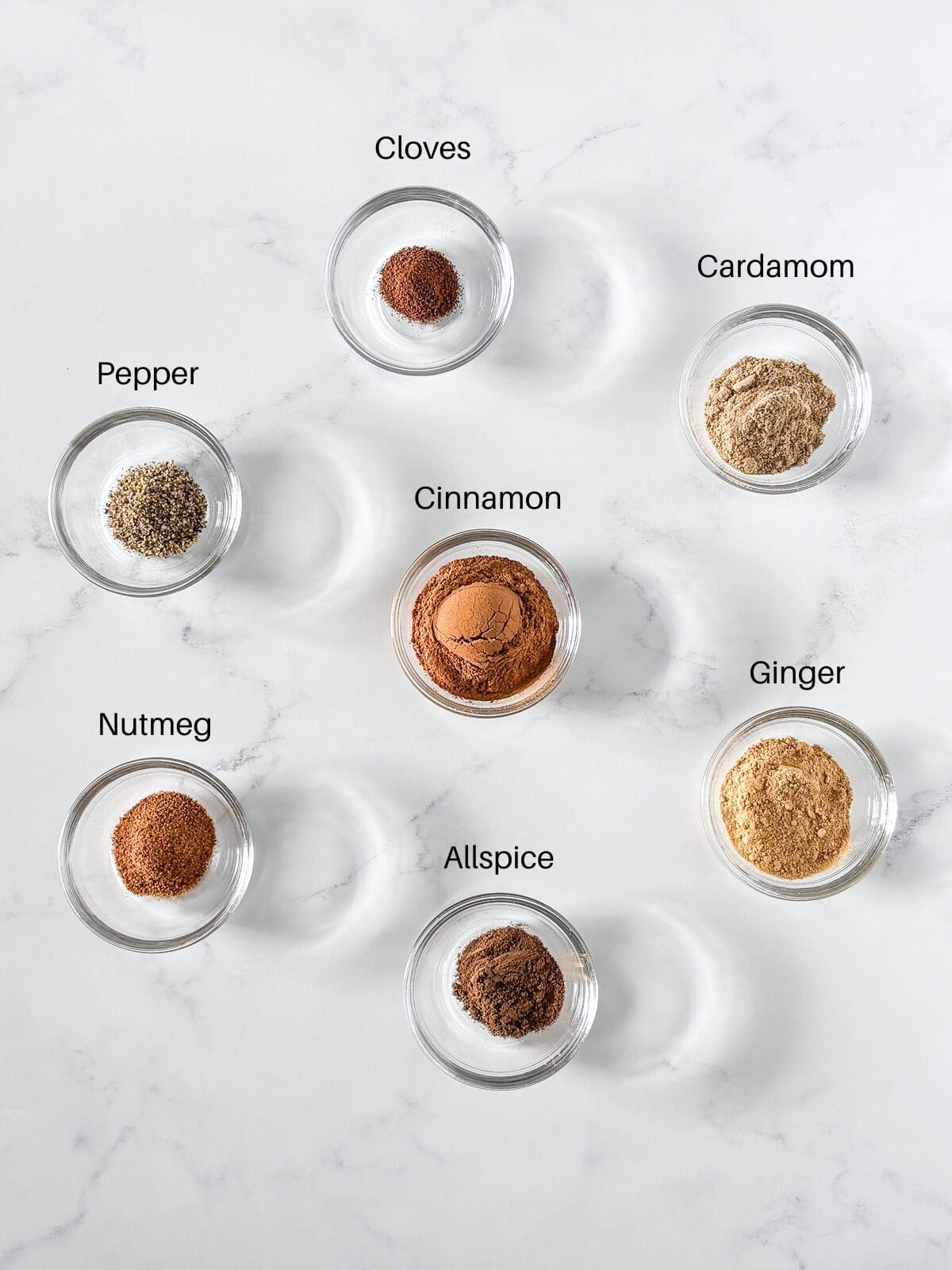
- Cinnamon
- Cardamom
- Ginger
- Allspice
- Black pepper
- Nutmeg
- Cloves
See recipe card for quantities.
Instructions
Making your own seasoning blends is easy. Here's how to make this chai spice blend.
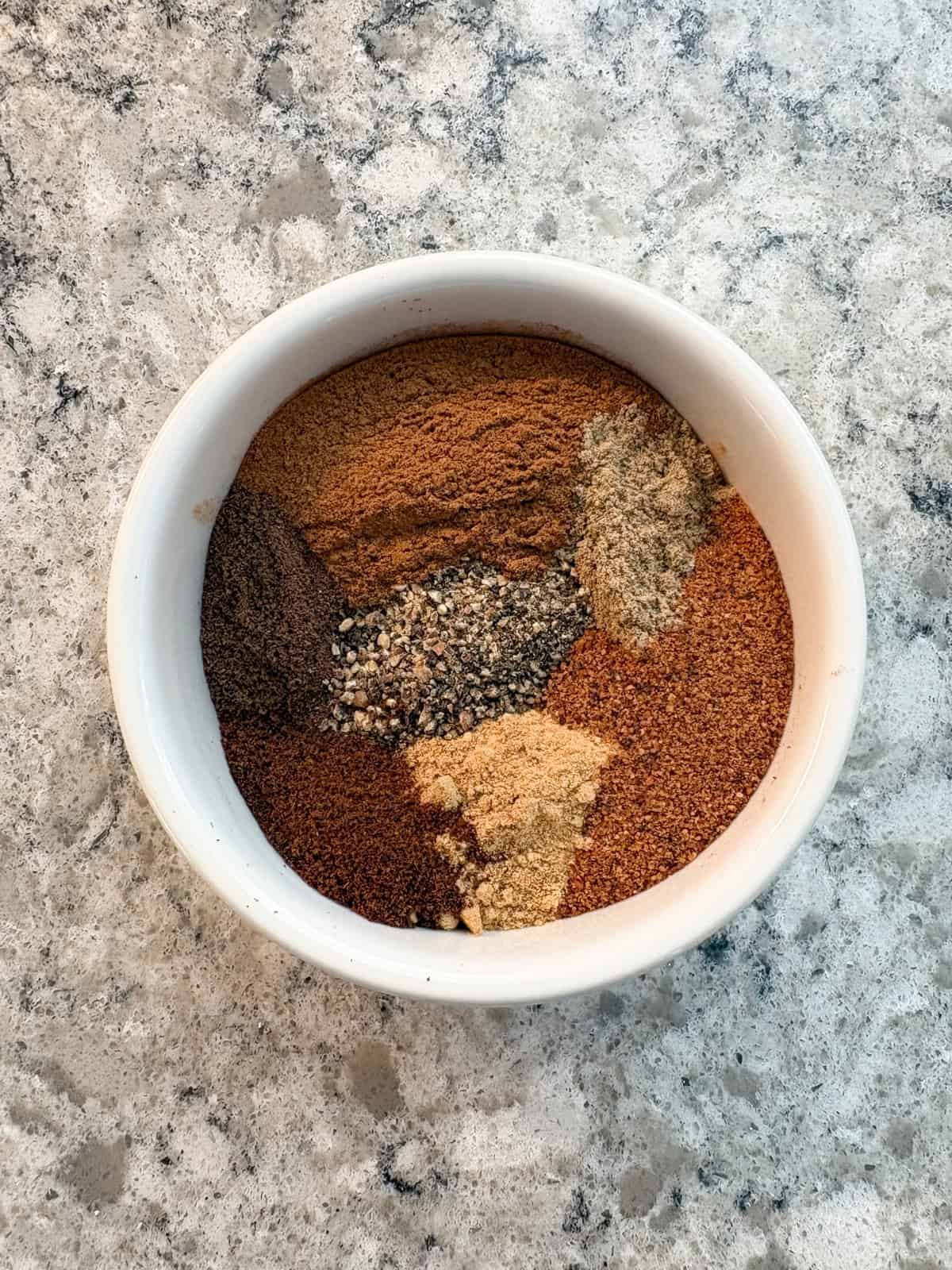
- Step 1: Measure all the spices into a bowl.
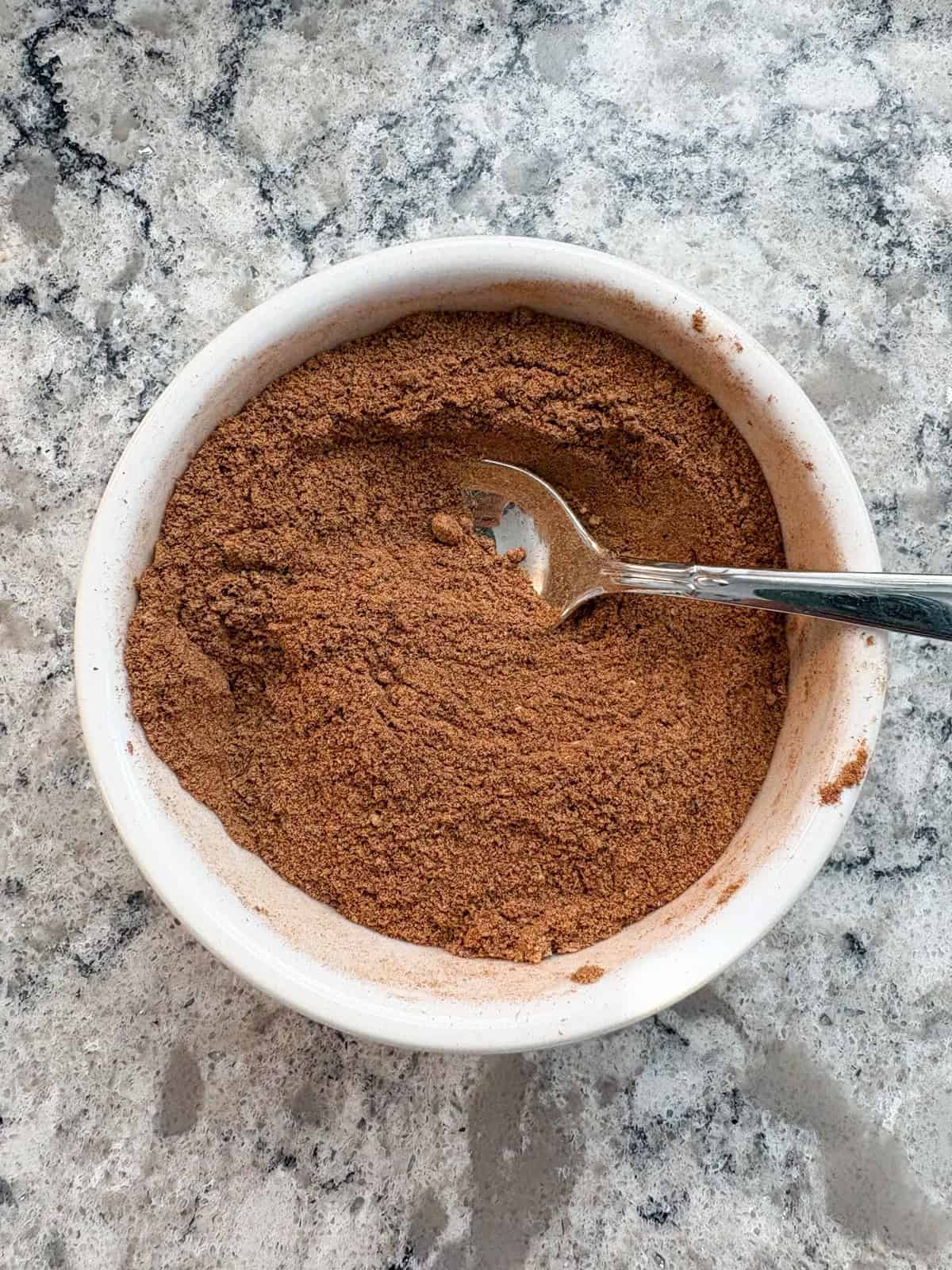
- Step 2: Mix well.
Hint: always give your herbs and spices a little whiff when you open the jar. If you can't smell anything, it's time to toss and replace them.
Variations
Chai spice is as modifiable as they come. Every version is a little different. So if there's a spice you don't have or don't like, feel free to leave it out and/or add a little more of another spice.
Equipment
You need measuring spoons and a little bowl to mix in.
If you would like some cute little spice jars, try these ones.
Storage
Store Chai seasoning in an airtight glass jar in your pantry for up to 6 months. If you can't smell the seasoning anymore, it's time to replace it.
Healthy heart pro tip
While herbs and spices pack a nutritional punch, unless under the direction of a doctor, it's important to use them in normal, culinary amounts, and not in supplement or essential oil form. Some spices can increase the risk of bleeding, negatively affect the liver, or be toxic if used in high doses.
FAQ
The short answer is yes, but the spices won't dissolve in the tea, making it a gritty texture. You could strain the tea to help with this. Using whole spices is usually a better way of making chai tea.
You can use this chai seasoning blend in baked goods, like cakes and cookies, smoothies, puddings (try it in our zucchini pudding), ice cream, granola, oatmeal, French toast or waffles, spiced nuts, popcorn, fruit crisps, and a variety of other dishes.
Related
Looking for other recipes like this? Try these:

Pairing
These are my favorite dishes to use Chai Spice in:



📖 Recipe
Chai Spice Blend
Ingredients
- 2 tablespoon Cinnamon ground
- 1 tablespoon Cardamom ground
- 1 tablespoon Ginger ground
- 1 teaspoon Allspice ground
- 1 teaspoon Black Pepper ground
- 1 teaspoon Nutmeg ground
- ½ teaspoon Cloves ground
Instructions
- Measure all the spices into a small bowl.
- Mix completely, and transfer to an airtight storage container.
Nutrition
*Nutrition information is an estimate, and will change based on the brand and individual ingredients and amounts you use. This is provided for your convenience only.
Food safety
Safety is our top priority in the kitchen! Always keep these tips in mind.
- Wash hands before beginning, and after touching raw meat, your hair, face, pets, etc.
- Make sure all needed utensils and equipment are clean
- Always use a clean spoon or other utensil to scoop the seasoning out of the storage jar to avoid cross contamination
Leave a Reply