
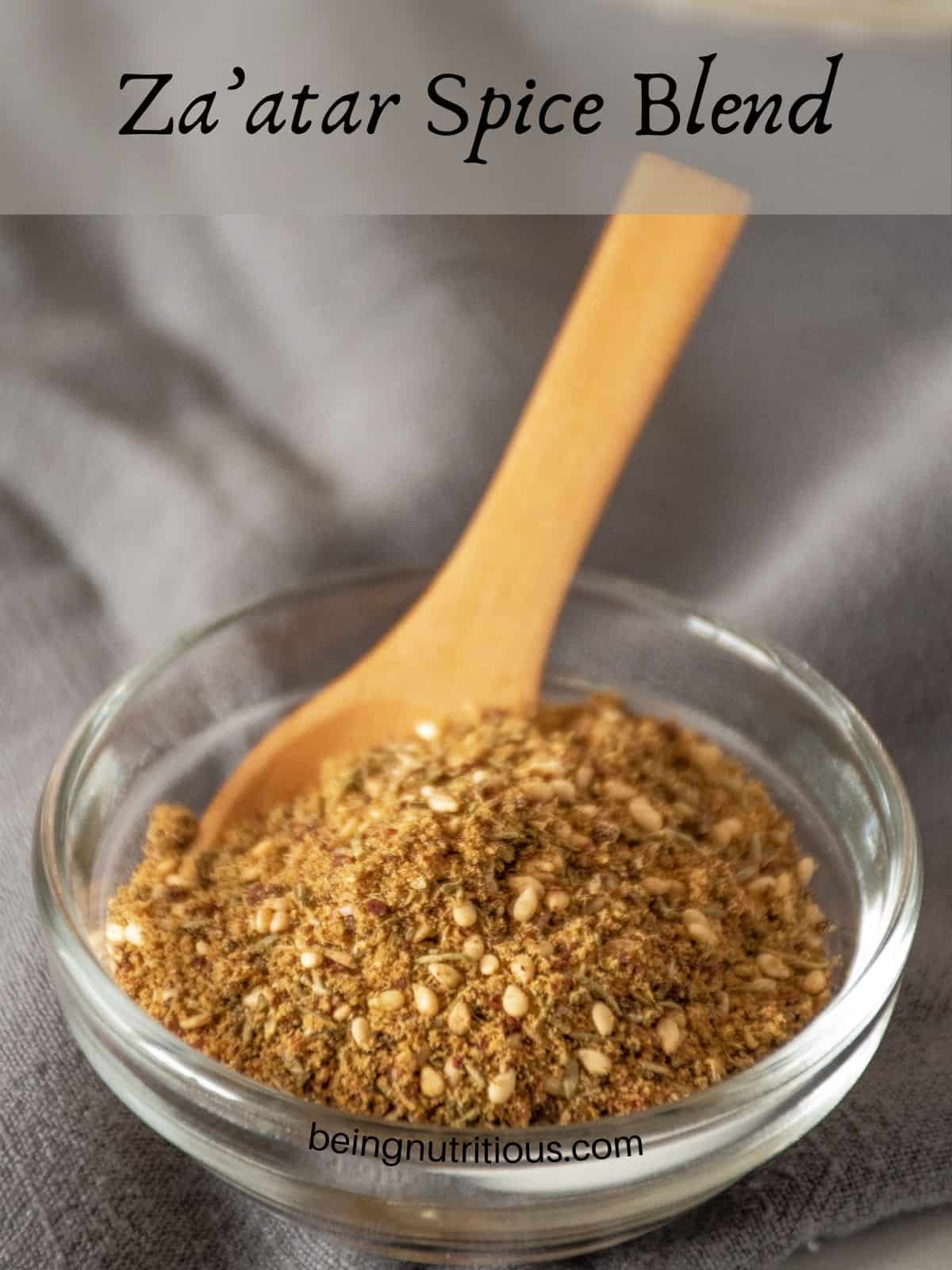
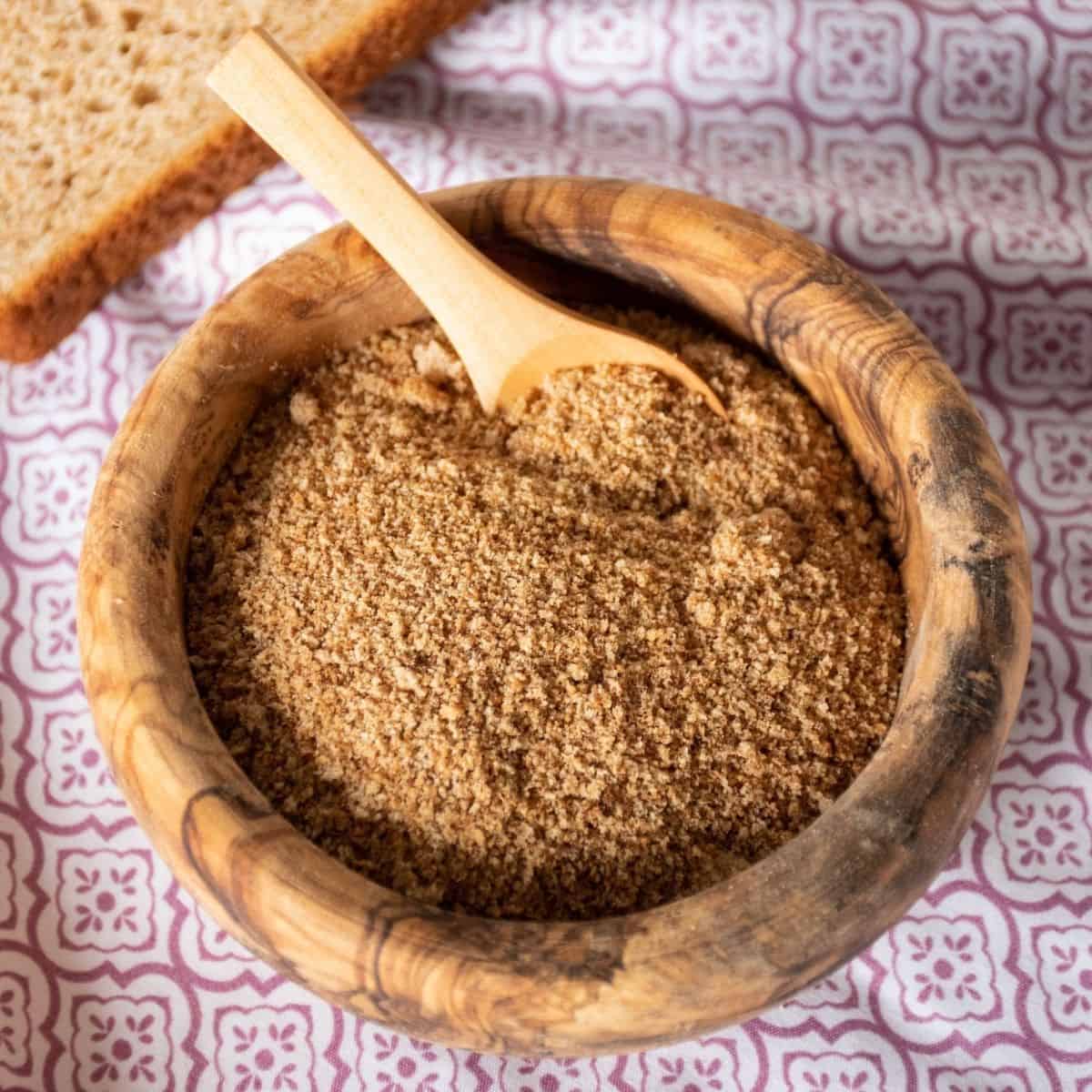
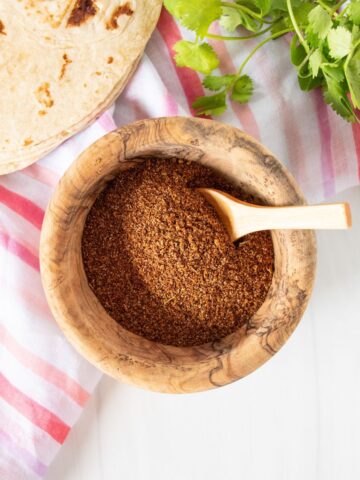
This is a Middle Eastern mix of herbs and spices that is earthy, woodsy, floral, and tangy all in one. Za'atar Spice Blend can be used in a wide variety of recipes, as well as a simple seasoning to toss on bread, crackers, hummus, or popcorn. It's great mixed with a little olive oil as a dip for pitas. We go a little lighter on the salt to keep it heart healthy.
This post may contain affiliate links. See our Disclaimer for more information

Za'atar spice blend is one of my favorite seasonings, hands down. It's got so many flavors in it that it's like a party for my taste buds!
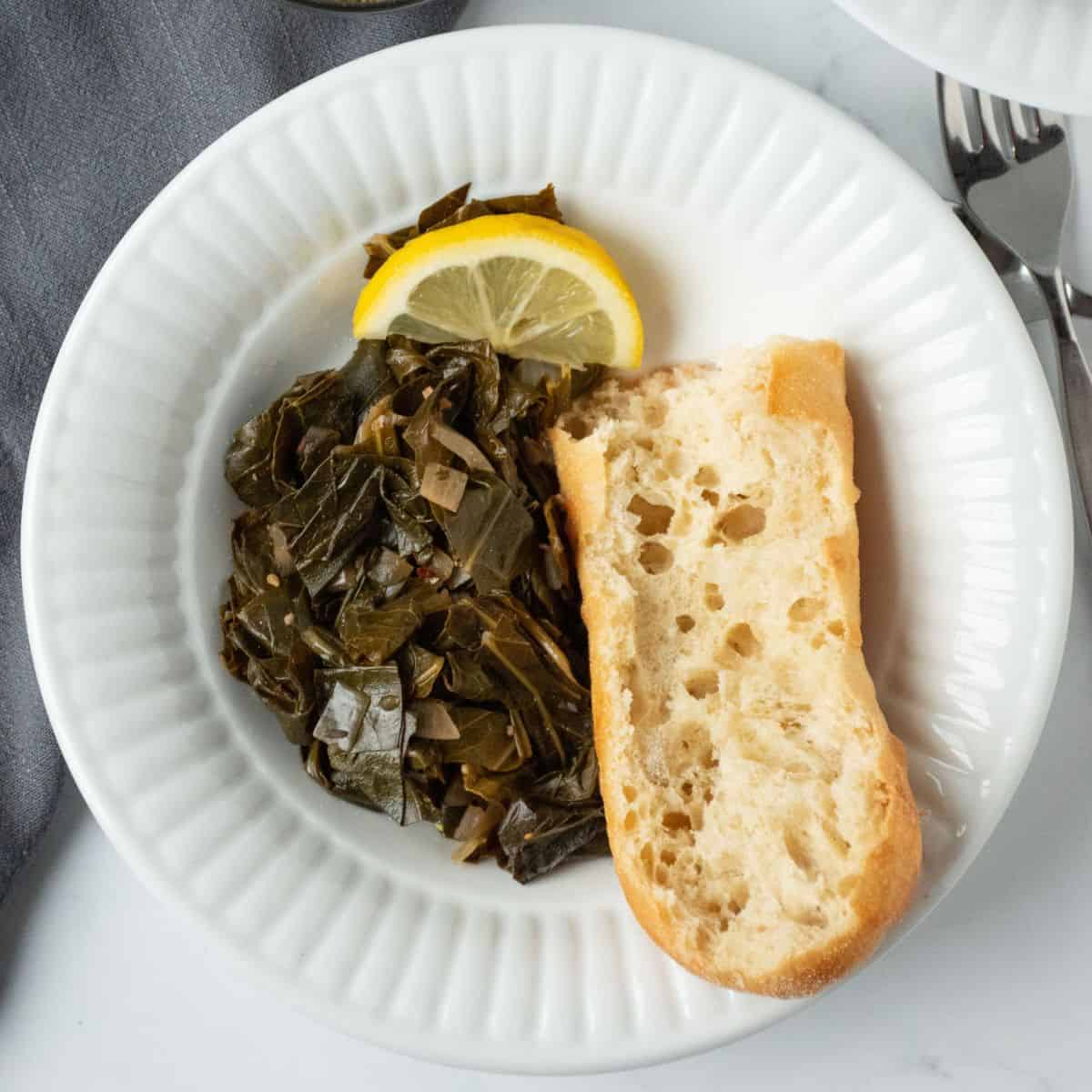
Try this seasoning blend in my slow cooker collard greens for something a little non traditional, or sprinkle on homemade popcorn or crusty bread.
Jump to:
Heart Health Benefits of Za'atar Spice Blend
Za'atar seasoning is low in calories and a delicious way to add a little extra fiber and a ton of antioxidants and other bioactives to your recipes! Ingredients we use have been studied for their anti-inflammatory, antioxidant, cholesterol lowering, and blood pressure regulating effects (1, 2, 3).
Macronutrients
Herbs and spices, like this blend, are low in carbohydrates, low in fat, and low in protein. This blend does, however, contribute some fiber, and is low in total sugar (no added sugar).
Micronutrients and Bioactive Components
Our Za'atar spice blend is considered low sodium, as the amount of salt we add is very minimal. You can choose to omit it for an even lower sodium blend if you prefer.
As mentioned, the biggest benefit to adding herbs and spices to foods, besides flavor of course, comes in their bioactive components. Here are the prominent bioactives in our za'atar spice blend:
- Sesamin and sesamolin - (in sesame seeds) lignans with antioxidant and anti inflammatory properties, studied for their ability to reduce blood pressure, atherosclerosis, thrombosis, and improve endothelial function (1, 4);
- Cuminaldehyde - (in cumin) an aromatic monoterpenoid volatile compound with reported antidiabetic, antitumor, anti-inflammatory, and antimicrobial effects (5);
- Thymol - (in thyme) phenol, and isomer of carvacrol, it shows antimicrobial, antioxidant, anticarcinogenic, anti-inflammatory, and antispasmodic activities (6, 7); and
- Carvacrol - (in thyme) phenolic compound with extremely high antimicrobial activity, particularly effective against food-borne pathogens (6, 8); and
- Polyphenols, malic acid, and anthocyanins - (in sumac) culinary sumac, and its bioactive constituents have been shown to improve lipid profiles, reduce fasting glucose, and exhibit neuroprotective properties (3, 9, 10, 11).
Ingredients
Here is what you'll need for this recipe, along with some applicable substitutions and notes.
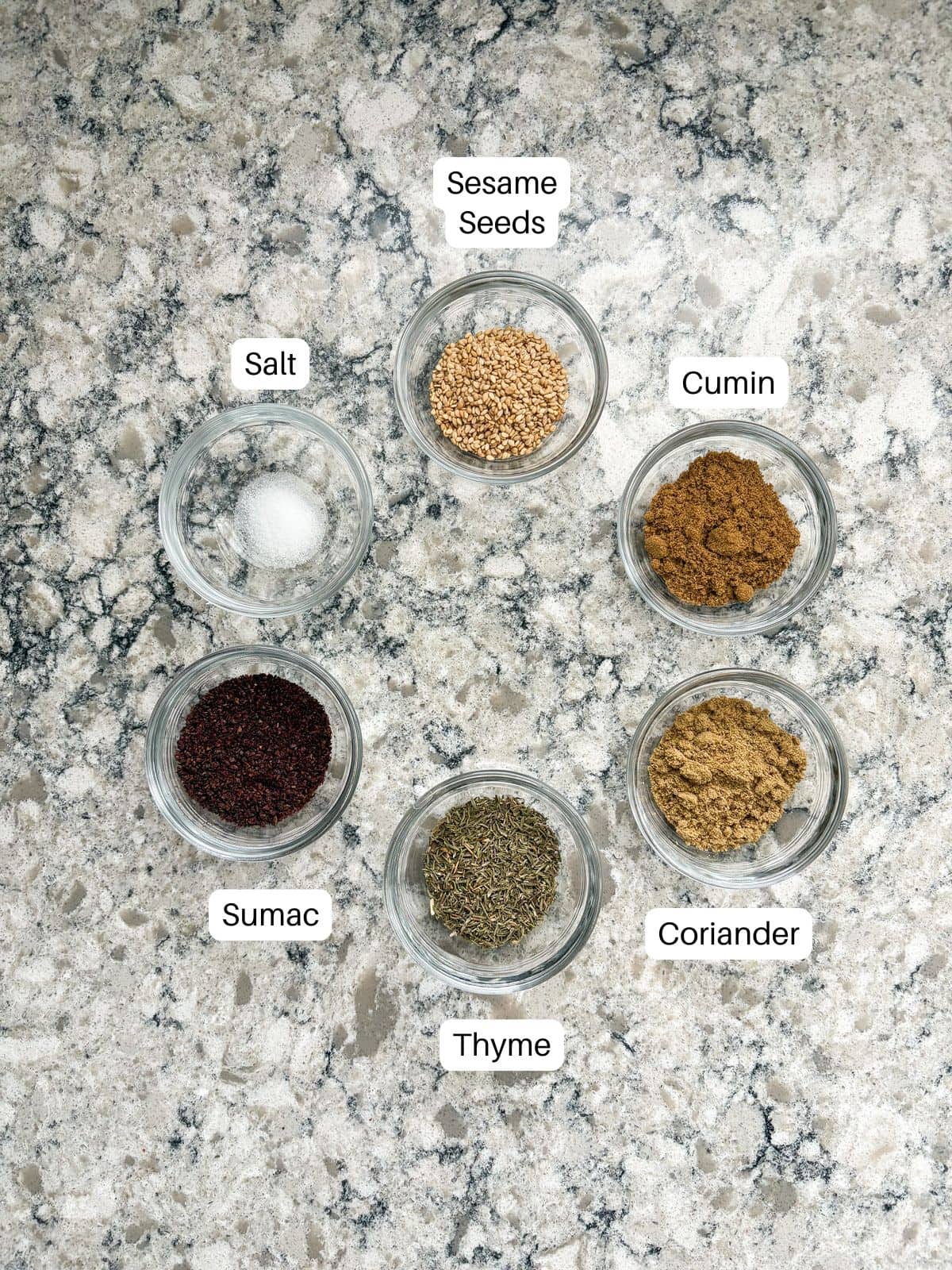
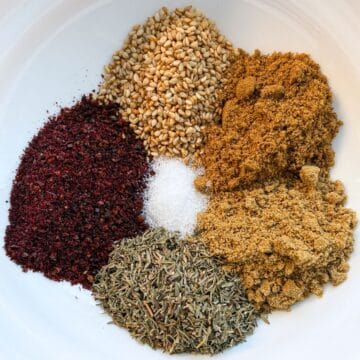
- Sesame seeds - toasted are preferred for their warm, nutty flavor
- Cumin
- Coriander - this could be omitted if you're out
- Thyme - or sub oregano
- Sumac - don't leave this out; it's the unique something-something za'atar needs!
- Salt - optional but recommended in this case
See recipe card for quantities.
Instructions
Making herb and spice mixtures is straight forward. Here's how:
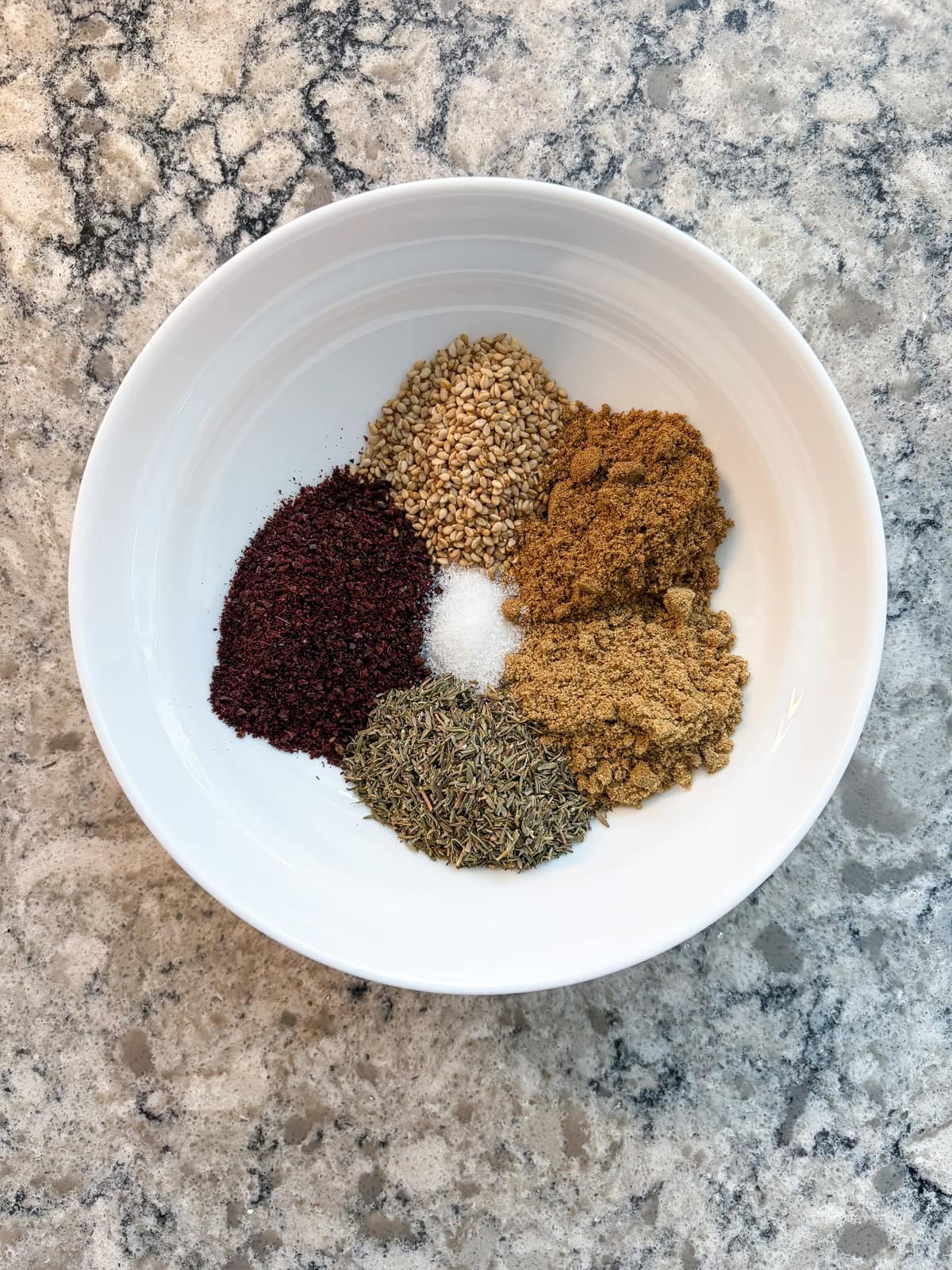
- Step 1: Measure all the ingredients into a bowl.
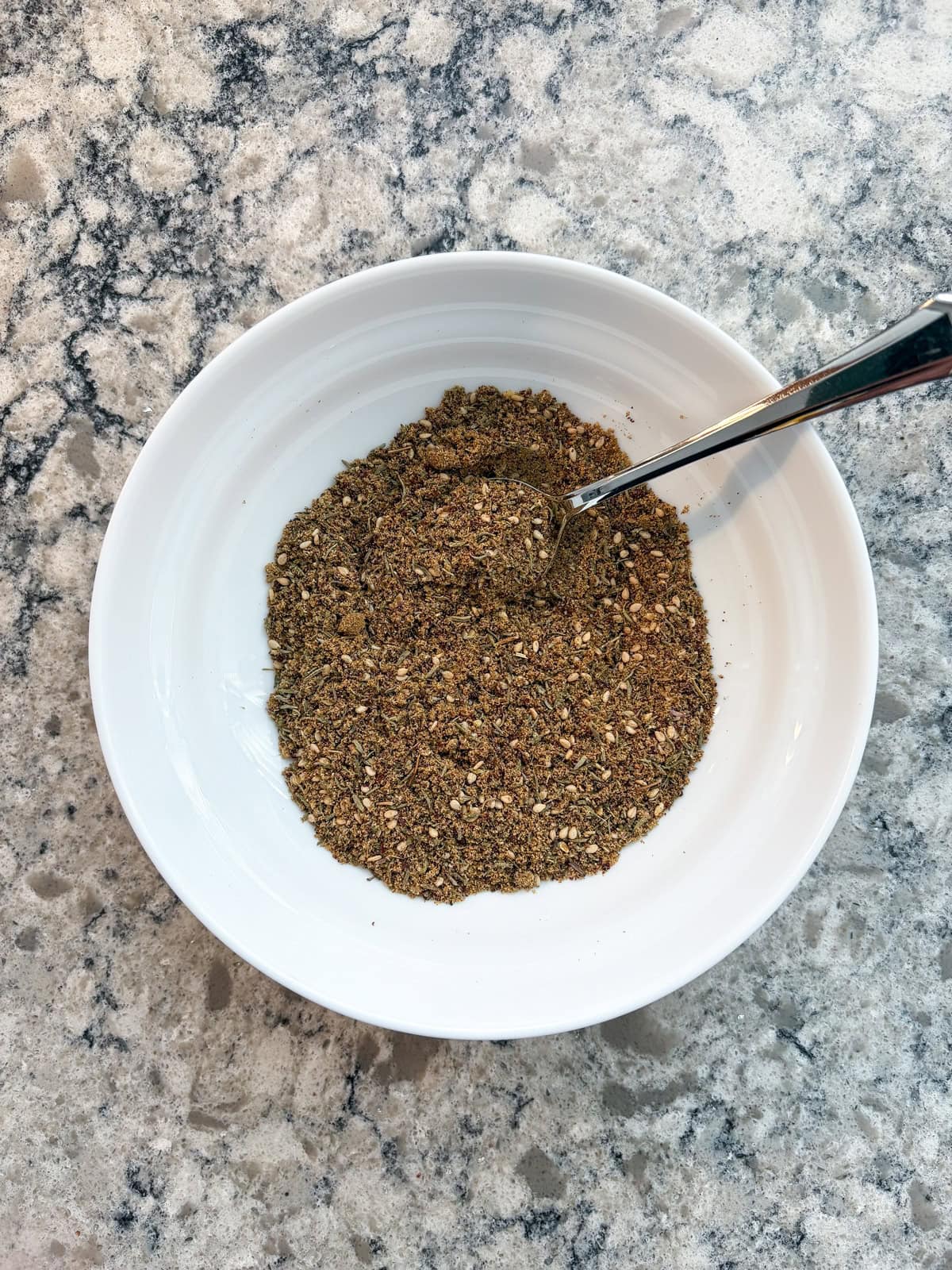
- Step 2: Mix well and store in an airtight container.
Hint: always give your herbs and spices a little sniff when you open the jar. If you can't smell anything, it's time to toss and replace them.
Variations
As with all herb or spice blends, there are tons of variations, so no need to stick hard to a recipe. Consider these variations:
- Herbier - add oregano instead of coriander
- Spicy - add a pinch or two of crushed red pepper
- Salt free - omit the salt, or use your favorite salt substitute
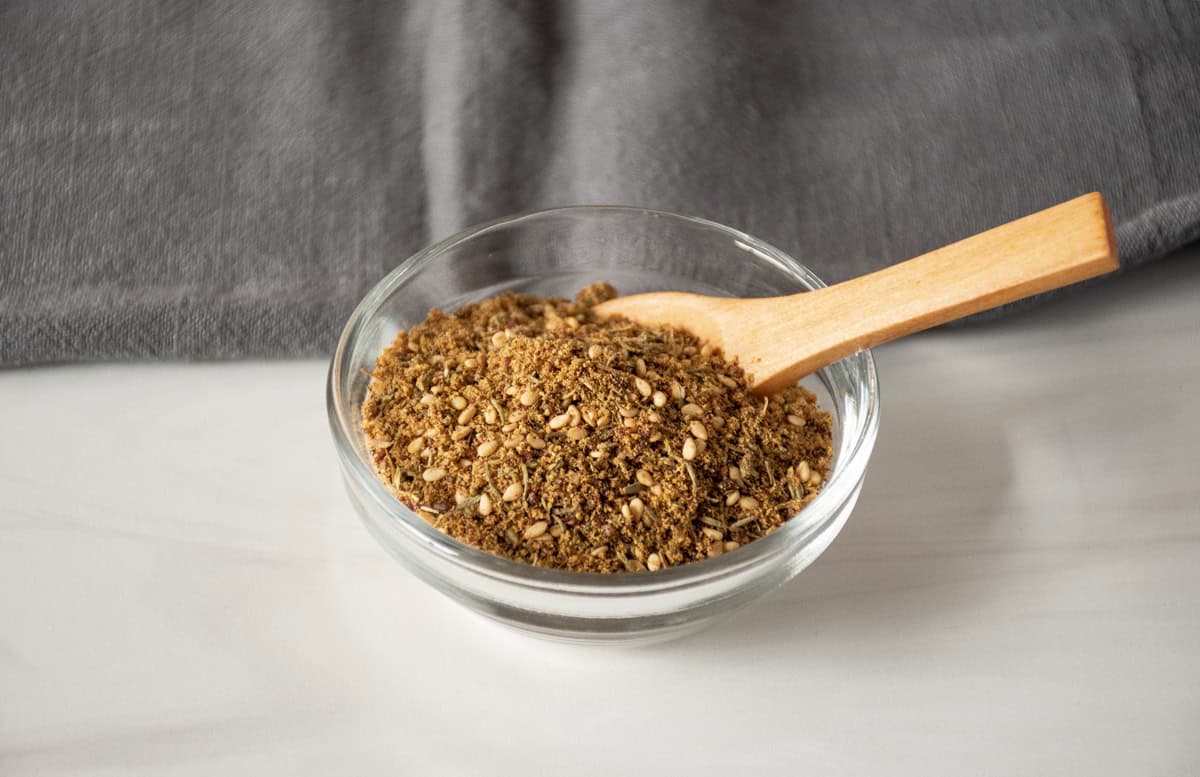
Equipment
Make sure you have measuring spoons and a little bowl to mix in.
Try these cute little spice jars if you need a storage option!
Storage
Store za'atar spice blend in an airtight glass jar in your pantry for up to 6 months. If you can't smell the seasoning anymore, it's time to replace it.
Healthy heart pro tip
Look for whole sesame seeds, instead of hulled. They are typically brown or dark brown in color as opposed to white or light brown. Whole sesame seeds are crunchier, taste nuttier, contain more fiber and nutrients than hulled, and are overall better for your heart.
FAQ
No. There is a plant called poison sumac, but it is not the same plant we use for culinary purposes. While the two are distantly related, the staghorn sumac flourishes in dry areas, often along highways, grows bright red berries, fuzzy looking bark, and often forms dense colonies. Poison sumac, on the other hand, thrives in damp or wet areas like swamps, and has white berries and smooth bark.
It's unlikely these two plants would be confused for each other. And all the sumac you purchase from stores will be staghorn sumac.
Related
Looking for other recipes like this? Try these:

Pairing
These are my favorite dishes to use Za'atar Spice Blend in:


📖 Recipe
Za'atar Spice Blend
Ingredients
- 1 tablespoon Sesame Seeds
- 1 tablespoon Cumin ground
- 1 tablespoon Coriander ground
- 1 tablespoon Thyme dried
- 1 tablespoon Sumac
- ¼ teaspoon Salt (optional)
Instructions
- Measure all ingredients into a bowl and mix well to combine.
- Store in an airtight container in the pantry for up to 6 months.
Nutrition
*Nutrition information is an estimate, and will change based on the brand and individual ingredients and amounts you use. This is provided for your convenience only.
Food safety
Safety is our top priority in the kitchen! Always keep these tips in mind.
- Wash hands before beginning, and after touching raw meat, your hair, face, pets, etc.
- Make sure all needed utensils and equipment are clean
- Always use a clean spoon or other utensil to scoop the seasoning out of the storage jar to avoid cross contamination
Leave a Reply