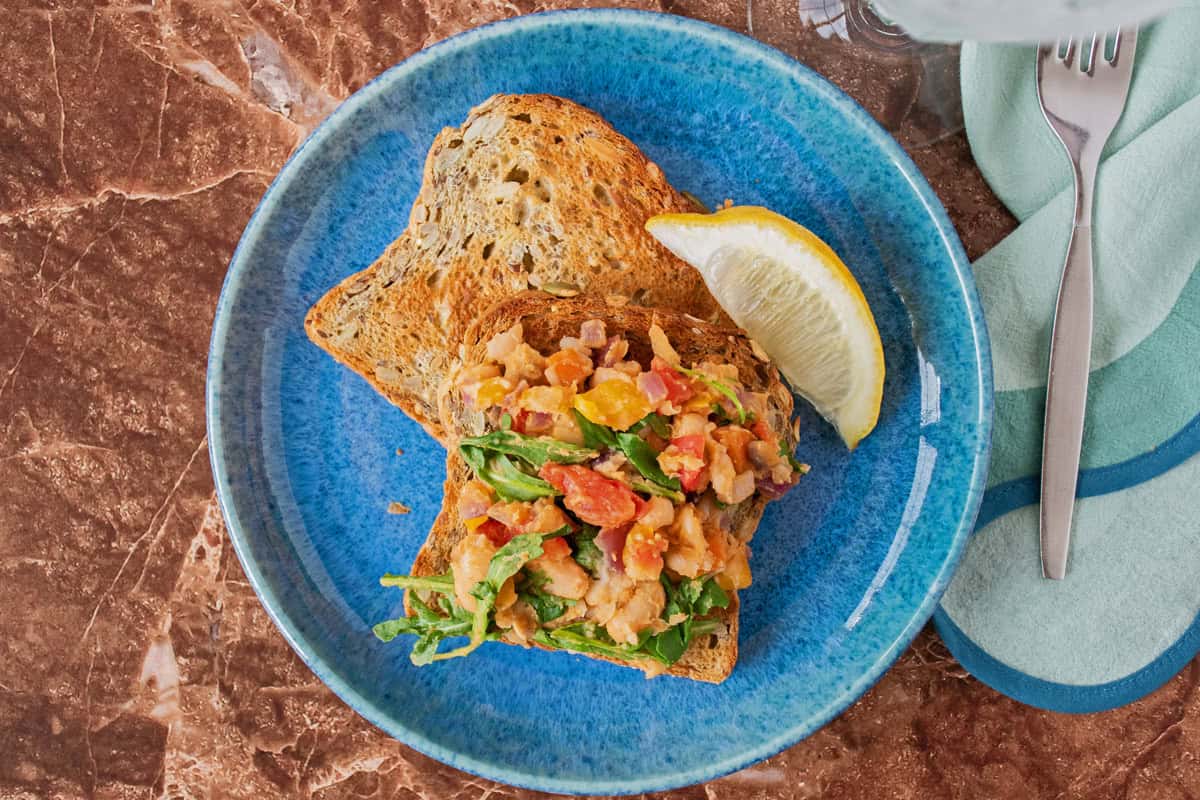
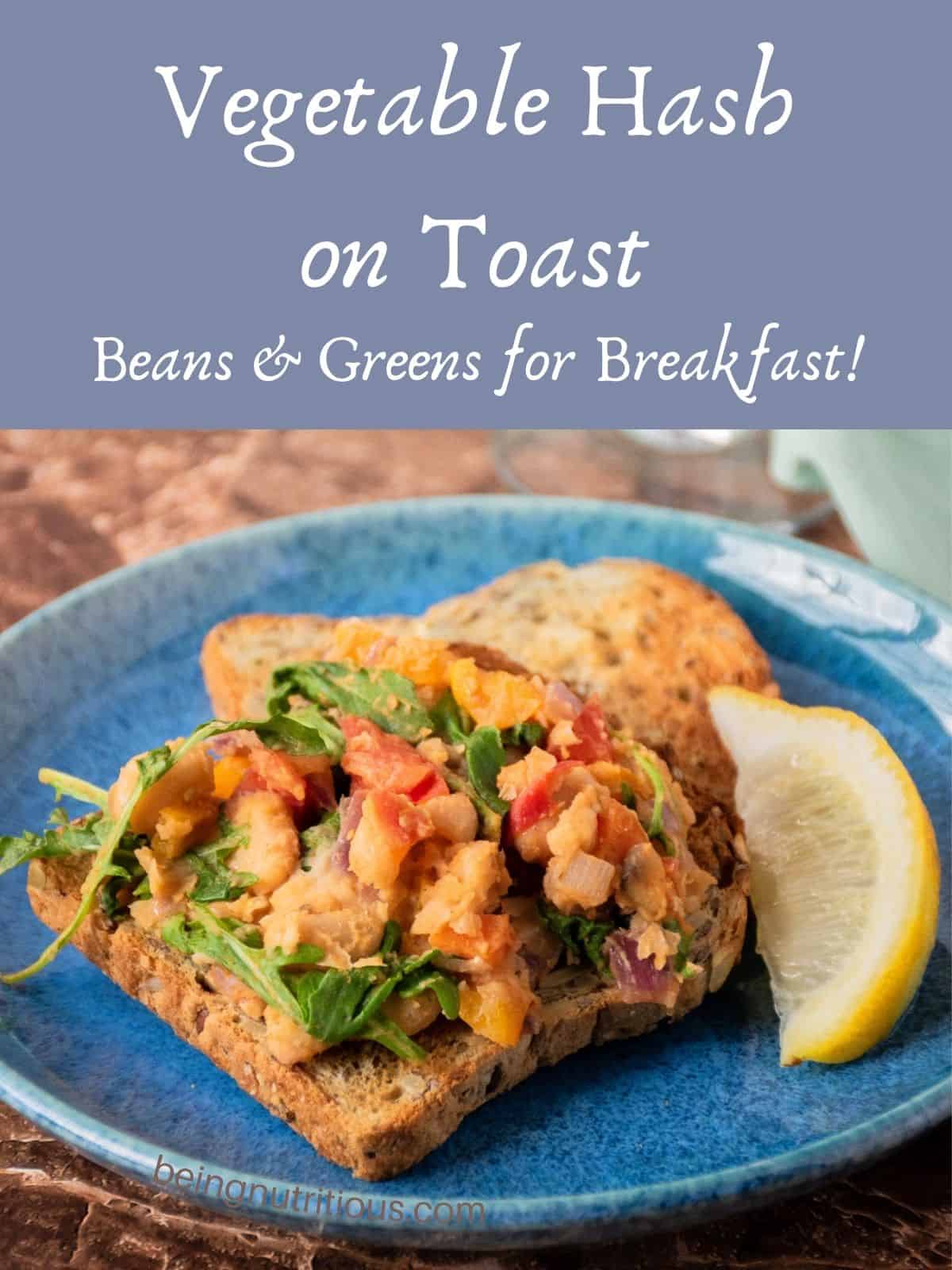
Vegetable Hash on toast uses whatever vegetables you have, so you can make it any morning! This is the perfect way to start your day. Filling, a little crisp, yet creamy, smoky, and peppery. No sugar overload to leave you ravenous in half an hour like those boxed cereals, pastries, and pancakes. This breakfast is high in fiber and protein, easy to make, and super yummy!
This post may contain affiliate links. See our Disclaimer for more information
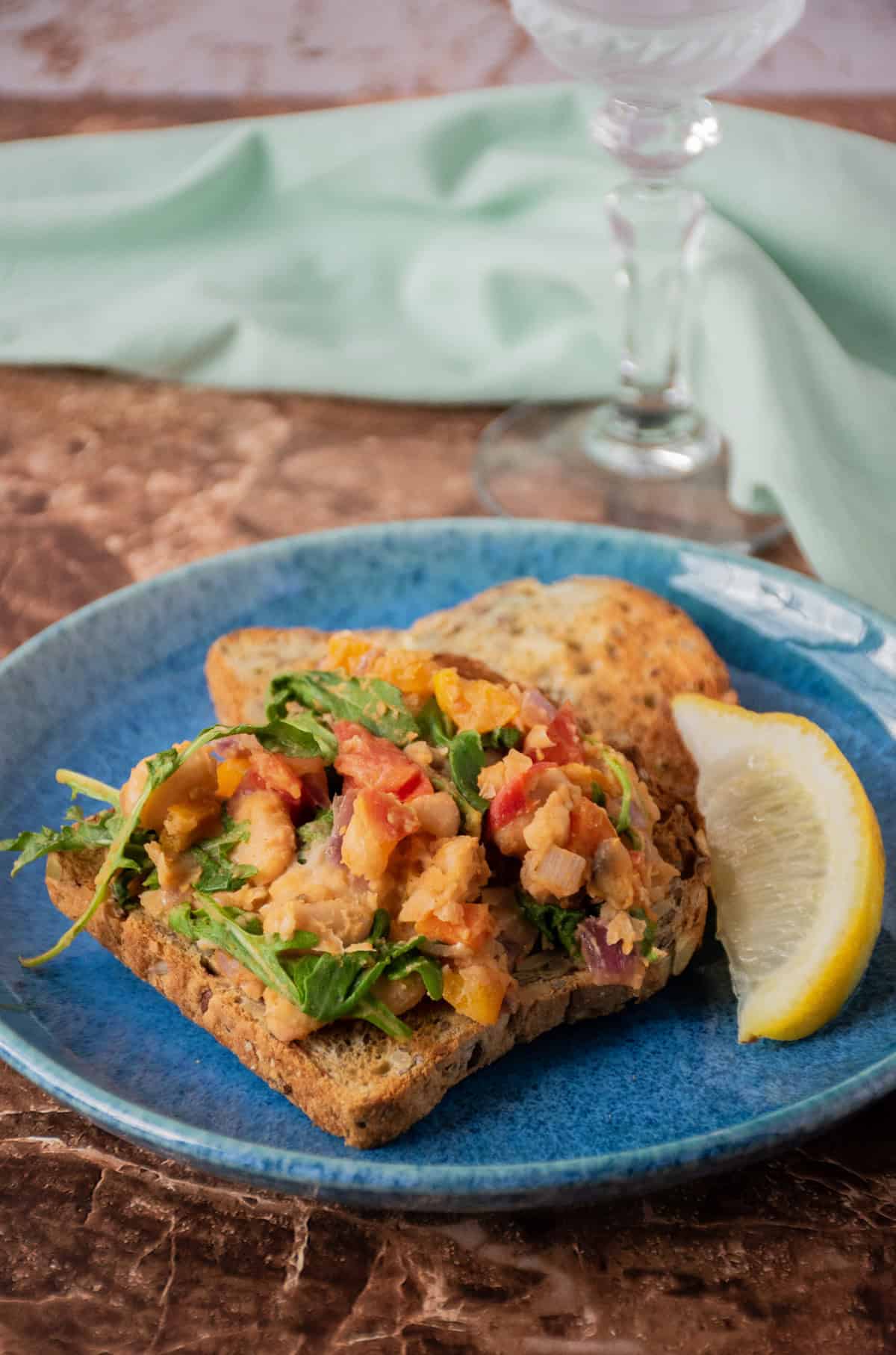
Typical breakfast hash contains potatoes, chopped preserved meat (like corned beef or sausage), and cheese, and makes for a high sodium, high saturated fat, and high carbohydrate meal that weighs you down and can spike your blood pressure and cholesterol. This version is low in sodium and saturated fat, and is completely plant based, delicious, easy and meal prep friendly! You can make it on the weekend and quickly heat it up and smear it on some toast as you're hitting the road in the morning.
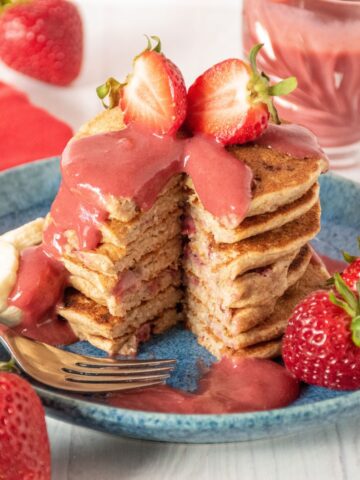
If you love savory breakfasts, also try Breakfast Chickpeas with Collard Greens, or check out some of our more traditional sweet breakfasts, like Strawberry Banana Pancakes, or Cinnamon Overnight Oats.
Jump to:
Heart Health Benefits of Vegetable Hash for Breakfast
This breakfast recipe is completely plant based, high in protein and fiber, as well as potassium, vitamin C, and iron. It's also a good source of vitamin K, calcium, and magnesium, and low in total fat, saturated fat, and sodium, and naturally cholesterol free.
Cooking tomatoes in olive oil enhances the bioavailability of carotenoids (vitamin A derivatives), and many of the ingredients are known to independently help support blood pressure management and homocysteine metabolism. The meal aligns with diets well know for fighting cardiovascular disease, like the Mediterranean diet, which has demonstrated an ability to reduce the risk of myocardial infarction, stroke, and cardiovascular death (1, 2).
Beans are an incredibly heart protective food (that's why we use them so much in our recipes!). Regular consumption of legumes can reduce the overall risk of cardiovascular events, help manage blood pressure and blood sugar, (3), as well as reduce LDL and total cholesterol (4). The American Heart Association also recommends legumes as a preferred protein source for cardiovascular health (5).
Macronutrients
Vegetable Hash is low in calories - under 200 per serving! This leaves room for the toast and perhaps a fruit side or light smoothie to round out the meal. The recipe is low in carbohydrates, but high in fiber and plant-based protein, making it an excellent choice to keep you going all the way to lunch time!
Micronutrients and Bioactive Components
Bioactive compounds are substances that have effects within the body that promote good health. While the bioactives in this recipe will vary, depending on what veggies you use, here are some of the most abundant bioactive compounds in the recipe-as-written for Vegetable Hash on Toast:
- Potassium - (in beans, greens, and tomatoes) a mineral that helps to lower blood pressure by helping the body eliminate sodium (6);
- Magnesium - (in beans) a mineral with important roles in blood sugar control, muscle and nerve function, blood pressure regulation, and heart rhythm regulation (7);
- Folate - (in beans and greens) water soluble vitamin necessary for the reduction of homocysteine (8) (elevated levels of homocysteine is an independent risk factor for coronary artery disease);
- Iron - (in beans) a mineral necessary for oxygen transport through the body (9)
- Saponins - (in beans) substance in legumes that lowers blood cholesterol and can help lower blood sugar and inflammation, and boost the immune system (10);
- Soluble fiber - (in beans) a type of fiber that dissolves in water and can help lower cholesterol and blood sugar (11);
- Insoluble fiber - (in beans) type of fiber that does not dissolve in water, and helps add bulk to the stool, reducing constipation risk (12);
- Monounsaturated fats - (in olive oil) type of fat molecule that can help lower LDL cholesterol, and provides nutrition to maintain and build your body's cells (13);
- Hydroxytyrosol and oleuropein - (in olive oil) polyphenols that may be preventative against high blood pressure, stroke, and heart attack (14);
- Allicin - (in garlic) organosulfur compound that, along with other garlic compounds, boasts antioxidant and antiplatelet effects. It may also improve oxidative stress and lower blood lipids (15);
- Nitrates - (in arugula) inorganic anion that can reduce blood pressure, inhibit platelet aggregation, and improve endothelial dysfunction (16);
- Quercetin - (in onions and arugula) a type of flavonoid and antioxidant that can reduce inflammation and may reduce atherosclerosis and blood pressure (17);
- Glucosinolates - (in Brussels sprouts) a sulfur-containing phytochemical found almost exclusively in cruciferous vegetables that is considered a potent anticancer agent, as well as anti inflammatory (18);
- Carotenoids - (in tomatoes, bell peppers, and carrots) compounds like beta-carotene that are potent antioxidants (19);
- Ergothioneine - (in mushrooms) a modified amino acid with antioxidant and anti inflammatory properties that may support heart health (20); and
- Beta-glucans - (in mushrooms) a polysaccharide that may protect the cardiovascular system by helping to manage blood sugar, and lower blood pressure and cholesterol (21);
Ingredients
Here is what you'll need for this recipe, along with some applicable substitutions and notes.
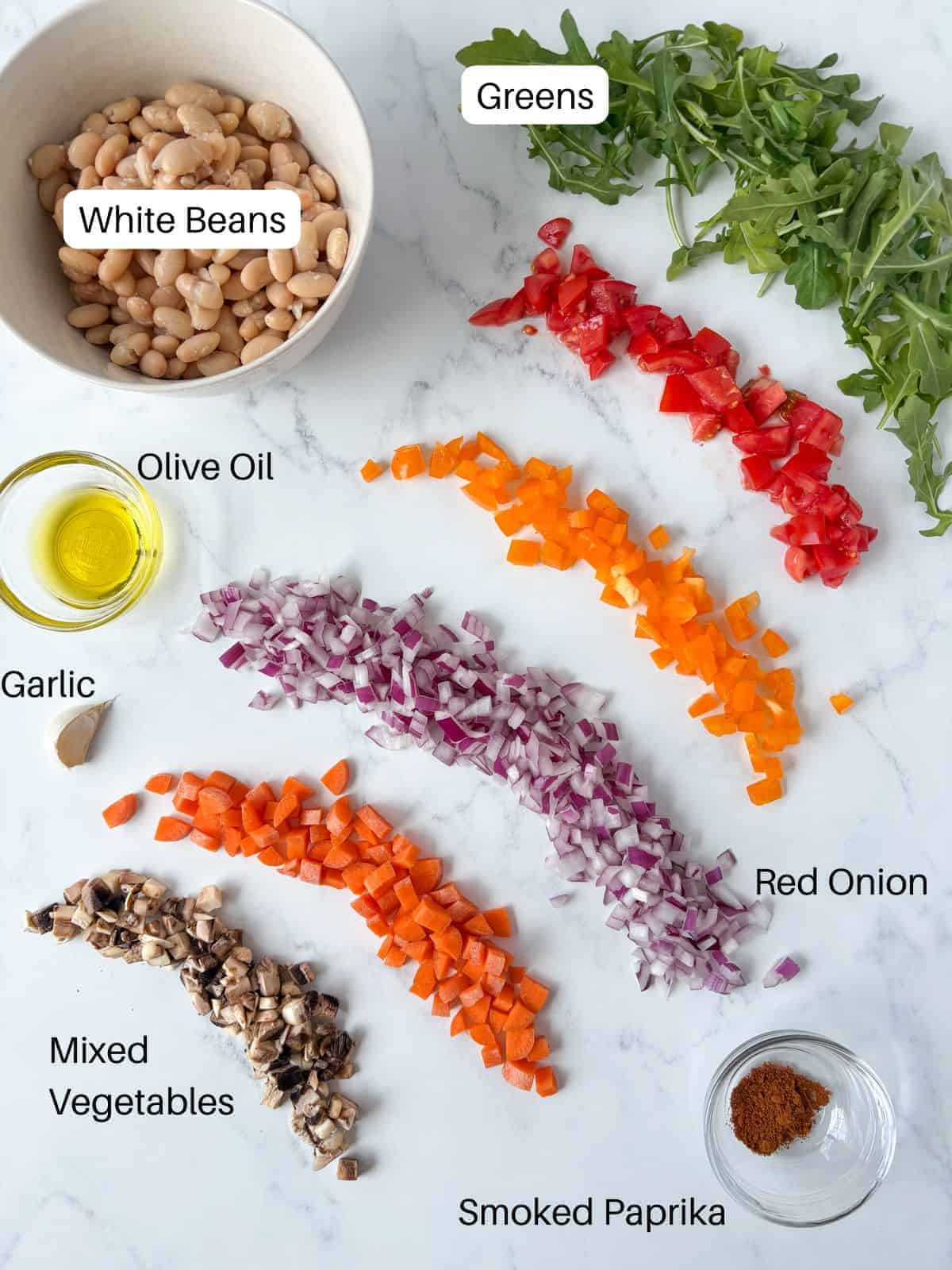
- White beans - any variety will do, but if you're putting this on toast, it's probably best to avoid very large beans
- Olive oil
- Garlic
- Mixed vegetables - use what you have hanging out in the fridge, and chop them all to about the same size. Great options are carrots, mushrooms, bell peppers, tomatoes, zucchini, sweet potato, butternut squash, green beans, corn, or anything else you like.
- Greens - something that will sauté well like arugula, spinach, or kale
- Smoked paprika - or a few drops of liquid smoke
See recipe card for quantities.
Instructions
Here's how to make Vegetable Hash.
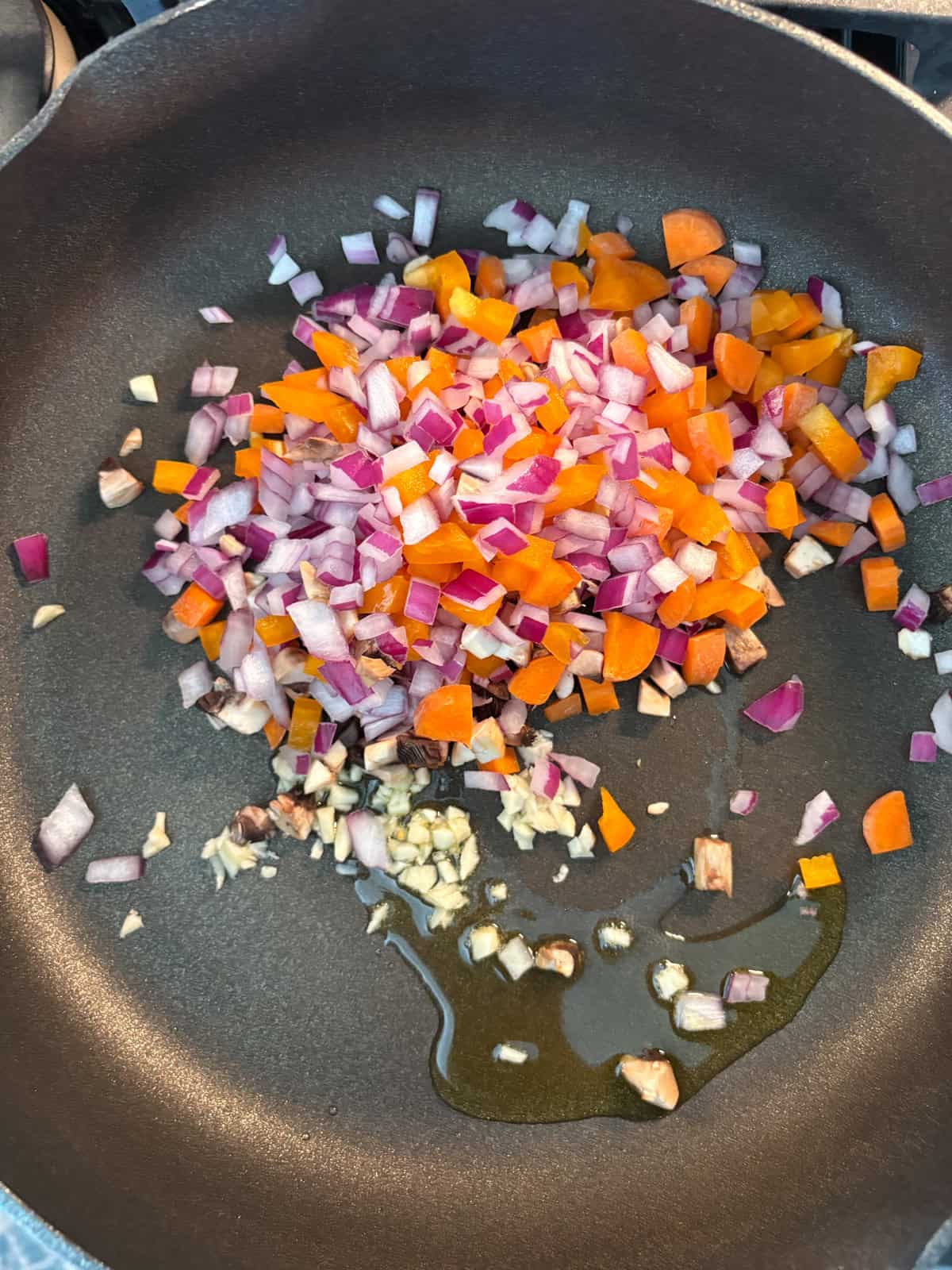
- Step 1: Sauté the more robust vegetables, like onions, garlic, mushrooms, carrots, peppers, etc.
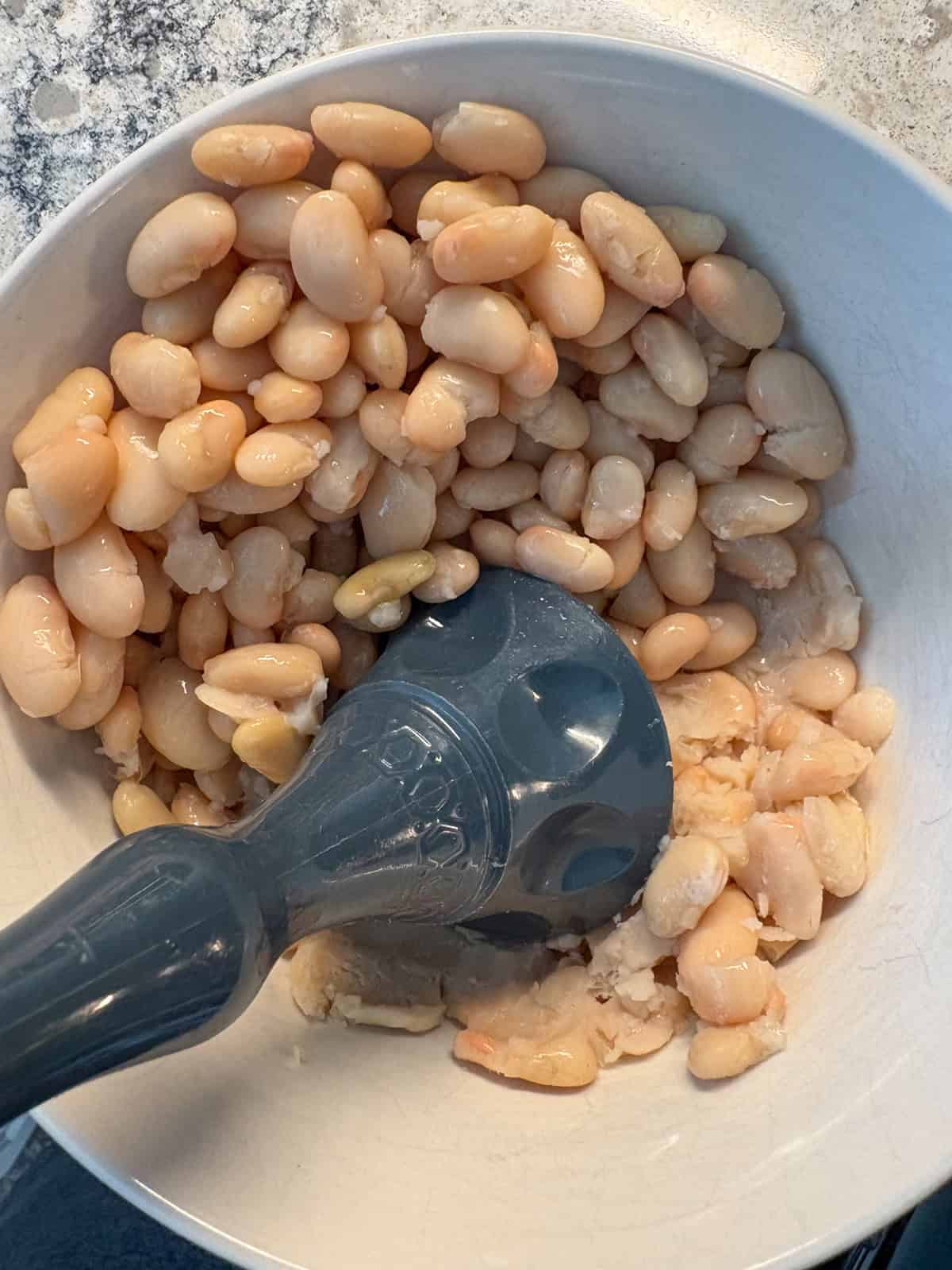
- Step 2: Mash about half of the beans.
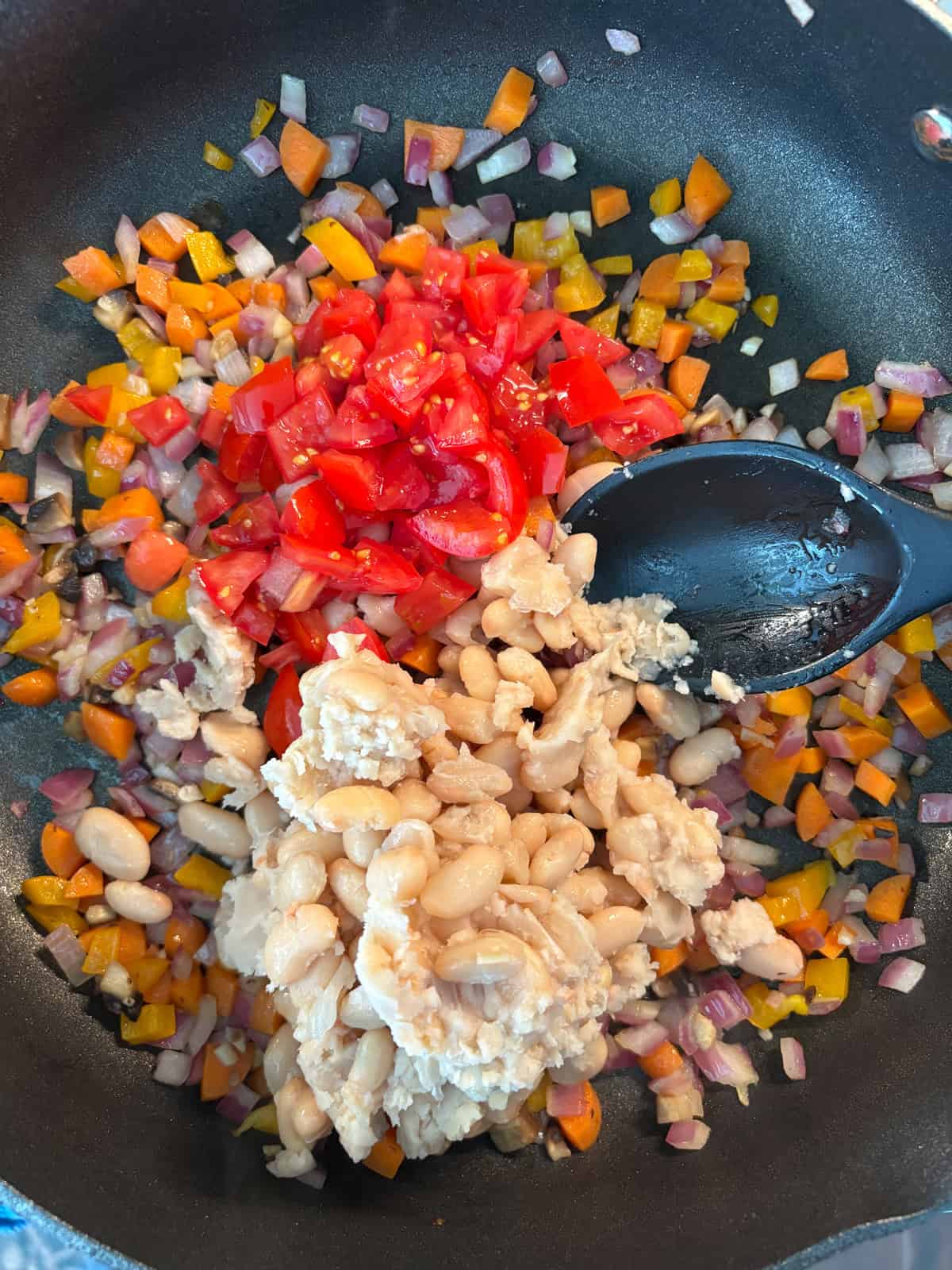
- Step 3: Add the beans and softer vegetables, like tomatoes, to the pan. Mix well.
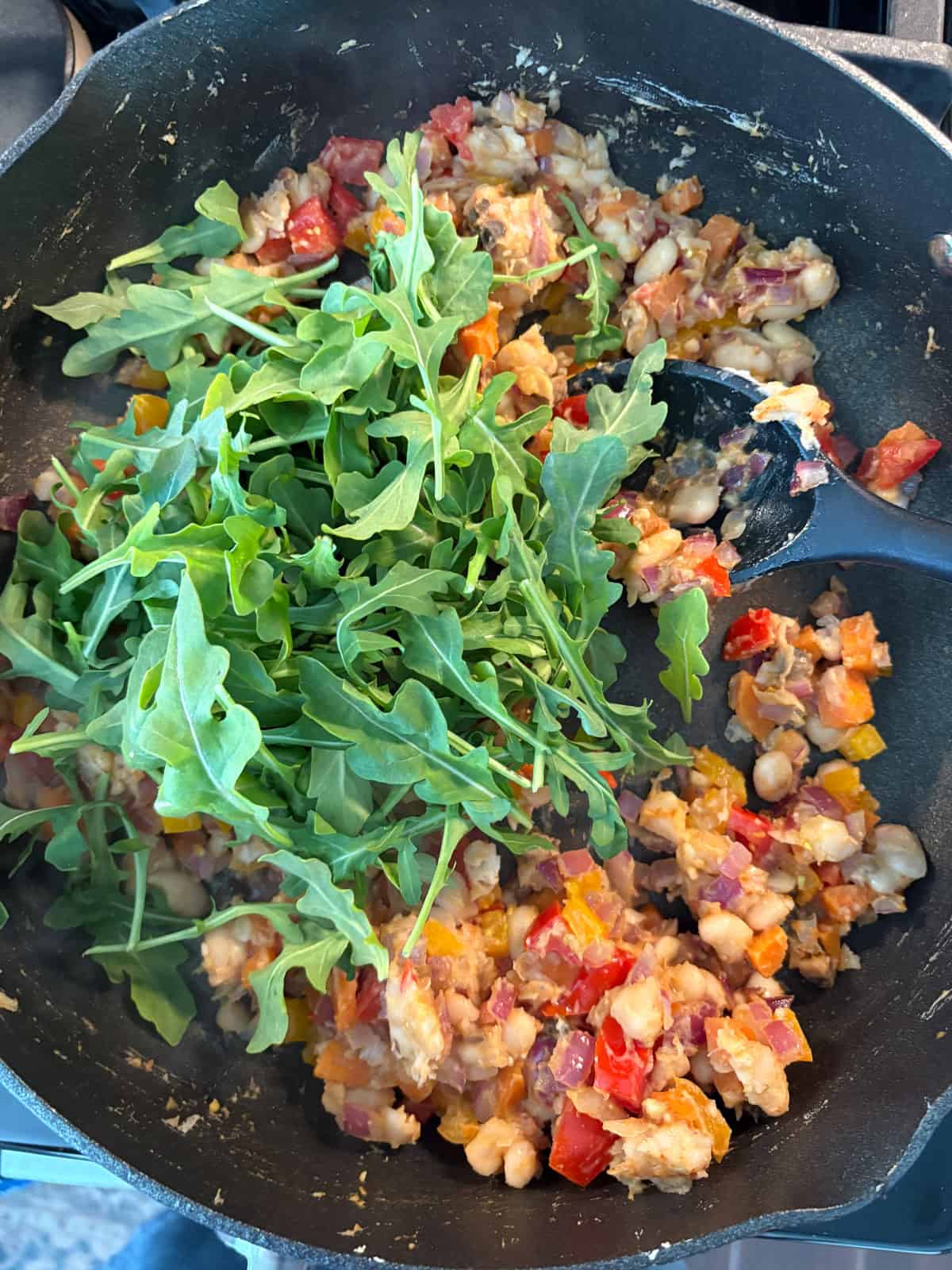
- Step 4: Add the greens, and stir to combine.
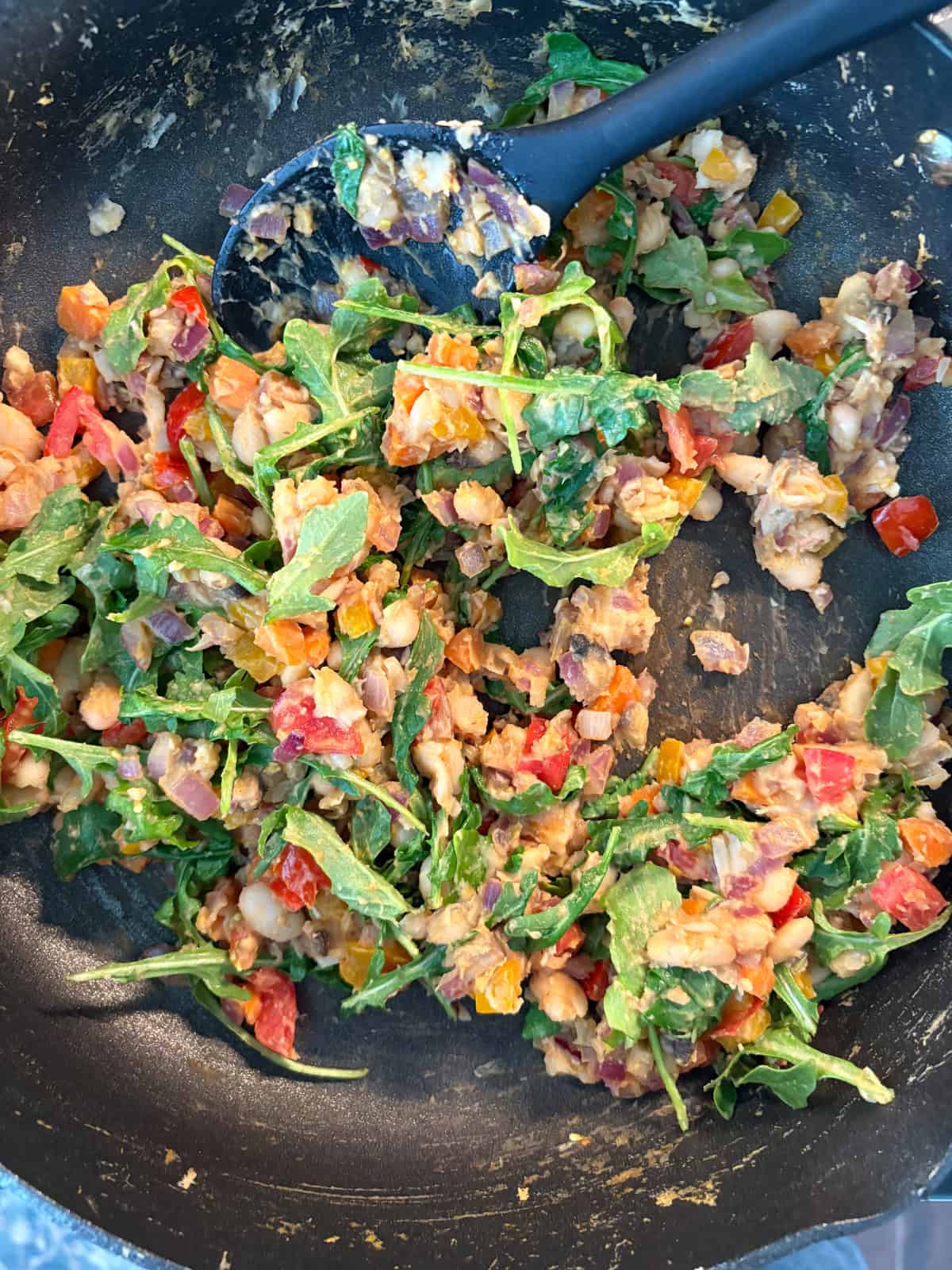
- Step 5: Sauté for a minute or two to wilt the greens, then remove from heat and serve over toast with a squeeze of lemon or balsamic glaze.
Hint: Mashing half the beans is optional, but it helps bind everything together to create a more spreadable product.
Variations
Try some of these variations on vegetable hash for breakfast:
- Spicy - add diced jalapeño or other spicy pepper of choice in with the onions, sprinkle in red pepper flakes with the smoked paprika, or drizzle with hot sauce at the end
- No toast - the vegetable hash can be eaten on its own or piled on top of savory oatmeal, polenta, cream of wheat, brown rice, or quinoa
- Herby - add a variety of chopped fresh herbs, like basil, thyme, parsley, dill, and cilantro
Equipment
For this recipe, you will only need a cutting board and knife, a sauté pan, and probably a toaster if you're serving over toast.
Storage
Store the hash separate from toast, in an airtight container in the refrigerator for up to 5 days.
It can easily be reheated in the microwave.
Healthy heart pro tip
Look for a whole grain bread that is also low in sodium. There aren't a lot of low sodium options when it comes to bread products, but there are some. Try your hand at baking your own, if you have the time and desire.
Or try these brands: Ezekiel 4:9 Low Sodium Whole Grain Sprouted Bread, Trader Joe's Sodium Free Whole Wheat Bread or Nature's Own 100% Whole Wheat Made with Real Honey.
In general, look for breads that are less than 100 mg sodium per slice.
FAQ
A hash is simply a skillet meal of a combination of ingredients all chopped small and pan fried together. Typically using a variety of meat, potatoes, and onions, our version is a high-nutrient, vegetarian take on it.
This depends entirely on the ingredients you use, and how you prepare it. Traditional and canned versions are often high in sodium and saturated fat. Choosing more vegetables and using a heart healthy fat for sauteing helps keep your dish on the healthier side.
Related
Looking for more heart healthy breakfast recipes? Try these:

Pairing
These are my favorite dishes to serve with Vegetable Hash:
Want to say thank you?

📖 Recipe
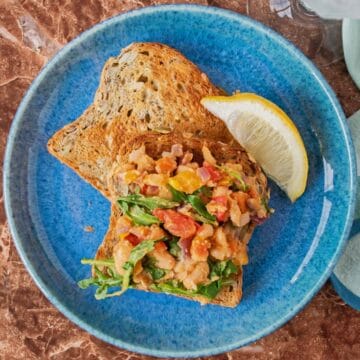
Beans and Greens Breakfast Hash
Ingredients
- 2 teaspoon Olive Oil
- ½ medium Red Onion chopped
- 1 clove Garlic minced
- 1 ½ cup Chopped Vegetables mix of your choice, like carrots, mushrooms, tomatoes, peppers, sweet potatoes, etc.
- 1 can No Added Salt White Beans drained and rinsed
- 1 handful Arugula or greens of choice, like spinach, kale, collards, etc.
- ½ teaspoon Smoked Paprika
Instructions
- Heat oil in a pan over medium heat. Add onion and garlic, and saute until softened.
- Add chopped vegetables (if you are using a soft vegetable, like tomatoes, hold them until you add the greens to maintain their integrity), and continue to saute about 5-10 minutes until softened.
- Mash about half the beans using a potato masher, or fork.
- Add beans, any soft veggies, like tomtatoes, greens, and smoked paprika, and heat through until greens are wilted.
- Serve immediately over toast, with a squeeze of lemon or drizzle of balsamic glaze.
Nutrition
*Nutrition information is an estimate, and will change based on the brand and individual ingredients and amounts you use. This is provided for your convenience only.
Food safety
Safety is our top priority in the kitchen! Always keep these tips in mind.
- Do not use the same utensils on cooked food, that previously touched raw meat
- Wash hands before touching food, and after touching raw meat, your hair, face, pets, etc.
- Don't leave food sitting out at room temperature for longer than 2 hours (or 1 hour if the weather is hot)
- Never leave cooking food unattended
- Always have good ventilation when using a gas stove


Leave a Reply