
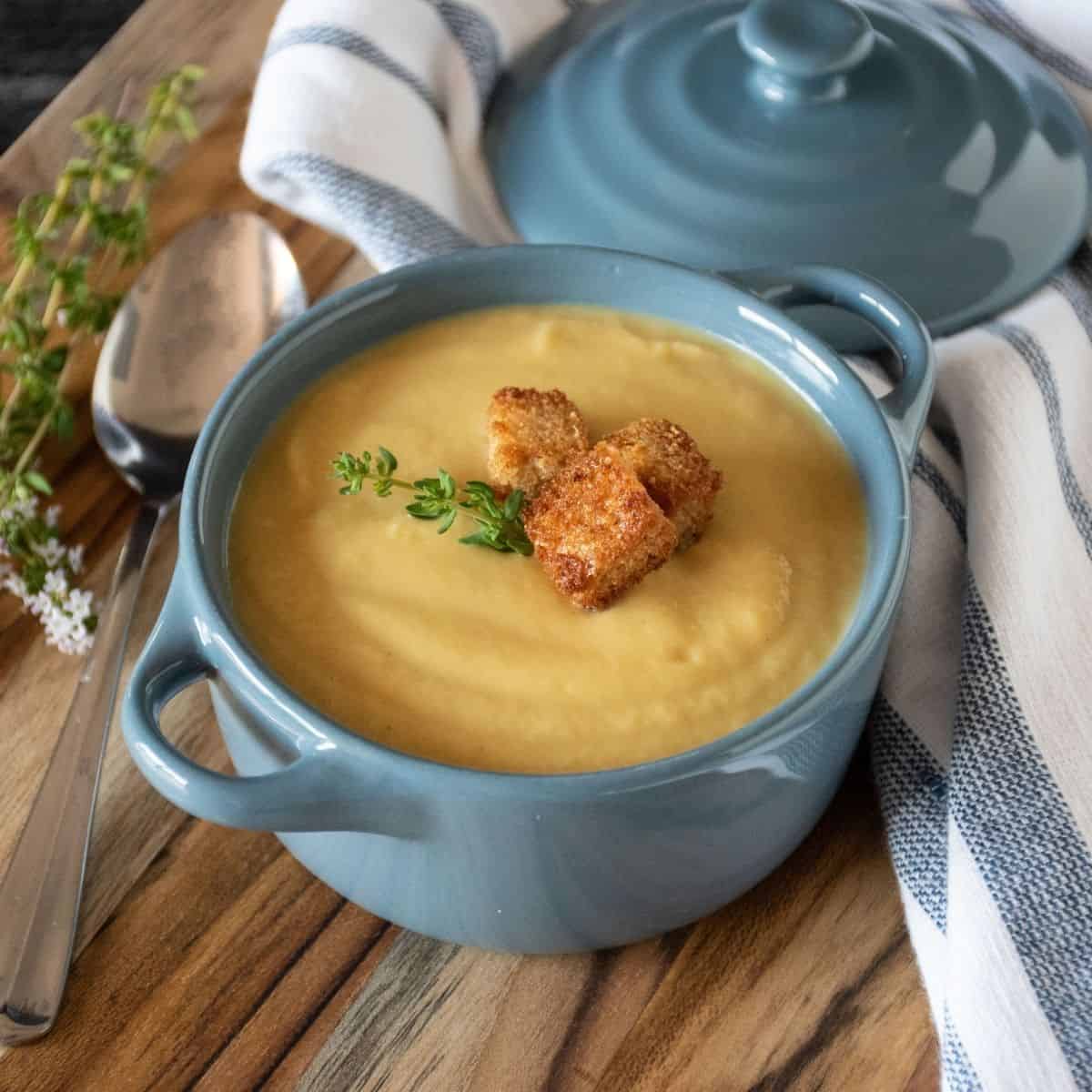
Ginger Carrot Soup may adhere to a Mediterranean way of eating, but it's got Fall written all over it! Deeply warming, hearty, and creamy, with perfectly complementary crispy spiced chickpeas to top it off. Only 30 minutes from fridge to table, and it's great for meal prep, too!
This post may contain affiliate links. See our Disclaimer for more information

You'll want to dive into this ginger carrot soup and slurp up every last drop! The ginger takes the flavor over the top, and the cashews create a lusciously creamy texture when they blend up. Get your crusty bread ready for dipping!
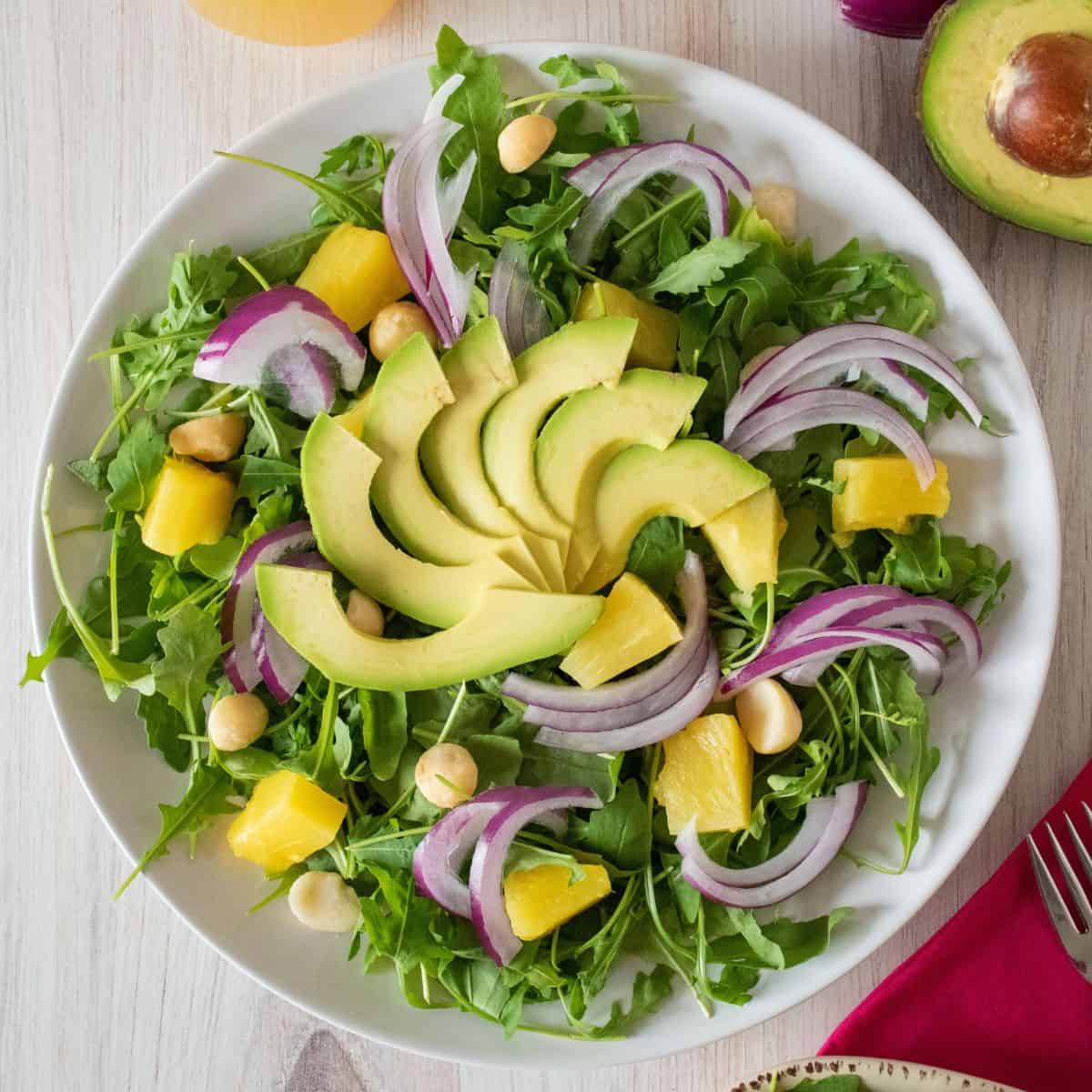
Pair this soup with a simple salad and biscuit for an easy meal you can put on repeat. Try our Arugula Avocado Salad and Whole Wheat Drop Biscuits.
Jump to:
Heart Health Benefits of Ginger Carrot Soup
We know that eating a primarily plant based diet that mimics Mediterranean eating patterns has great benefits for heart health, and health overall (1). So all our recipes are modeled that way, and carrot ginger soup is no exception. We go heavy on the veggies and spices, add heart healthy nuts to the mix, some hearty plant protein, and go light on the salt for a well-rounded heart healthy soup perfect for keeping you warm and cozy all through the chilly seasons!
Macronutrients
This soup is a great source of heart healthy fats; in particular monounsaturated fat, with lesser amounts of polyunsaturated fats. This is due to our use of both olive oil and nuts in multiple ways throughout the recipe.
The recipe is moderate in carbohydrates, and high in fiber, with a single serving accounting for more than 40% of your daily intake!
The soup is also high in protein, thanks to the chickpea topping and the use of two kinds of nuts.
Micronutrients and Bioactive Components
Bioactive compounds are substances that have effects within the body that promote good health. Here are some of the most abundant bioactive compounds in our creamy ginger carrot soup:
- Soluble fiber - (in carrots and chickpeas) a type of fiber that dissolves in water and can help lower cholesterol and blood sugar (2);
- Insoluble fiber - (in chickpeas and nuts) type of fiber that does not dissolve in water, and helps add bulk to the stool, reducing constipation risk (2);
- β-carotene - (in carrots) a type of fat soluble plant pigment that also functions as an antioxidant to reduce markers of cardiovascular disease, such as high cholesterol, high blood pressure, and inflammation (3);
- Potassium - (in carrots and chickpeas) mineral that supports healthy blood pressure and heart rhythm (4);
- Magnesium - (in cashews and chickpeas) a mineral with important roles in blood sugar control, muscle and nerve function, blood pressure regulation, and heart rhythm regulation (5);
- Resistant starch - (in chickpeas) - portion of starch that is not digested in the small intestine, and is instead fermented by microorganisms in the colon, creating short chain fatty acids that may be associated with improved gut health, glucose control, lower cholesterol, and decreased risk of colon cancer (6);
- Gingerols and shogaols - (in ginger) antioxidant and anti inflammatory compounds that may contribute to ginger's ability to improve triglycerides, LDL, blood pressure, and blood sugar (7, 8);
- Iron - necessary for oxygen transport through the body (9);
- Monounsaturated fats - (in olive oil and nuts) type of fat molecule that can help lower LDL cholesterol, and provides nutrition to maintain and build you body's cells (10);
- Hydroxytyrosol and oleuropein - (in olive oil) polyphenols that may be preventative against high blood pressure, stroke, and heart attack (11);
- Curcumin - (in turmeric) plays a role in the prevention of heart disease and type 2 diabetes (12); and
- Vitamin K - (in cashews) a fat soluble vitamin responsible for helping blood clot properly (13).
Ingredients
Here is what you'll need for this recipe, along with some applicable substitutions and notes.

- Vegetable Stock - homemade or commercial no added salt version
- Raw cashews - raw blend up better because they're softer. If you have to get roasted, just make sure they're not salted
- Carrots - no peeling needed, unless you really want to. Just scrub well
- Onion - any variety works but red onions might slightly affect the color of the soup
- Ginger - just like carrots, no need to peel it unless the skin is very thick and wrinkled
- Olive oil
- Turmeric
- Chickpeas - unsalted
- Cumin
- Cinnamon
- Nutmeg
- Walnuts - optional but adds extra crunch and nutrition to the topping
See recipe card for quantities.
Instructions
Here's how to make this delicious creamy carrot soup!

- Step 1: Heat the oil in a pot, and add the chopped onion.

- Step 2: Sauté until the onion is softened and begins to turn brown.
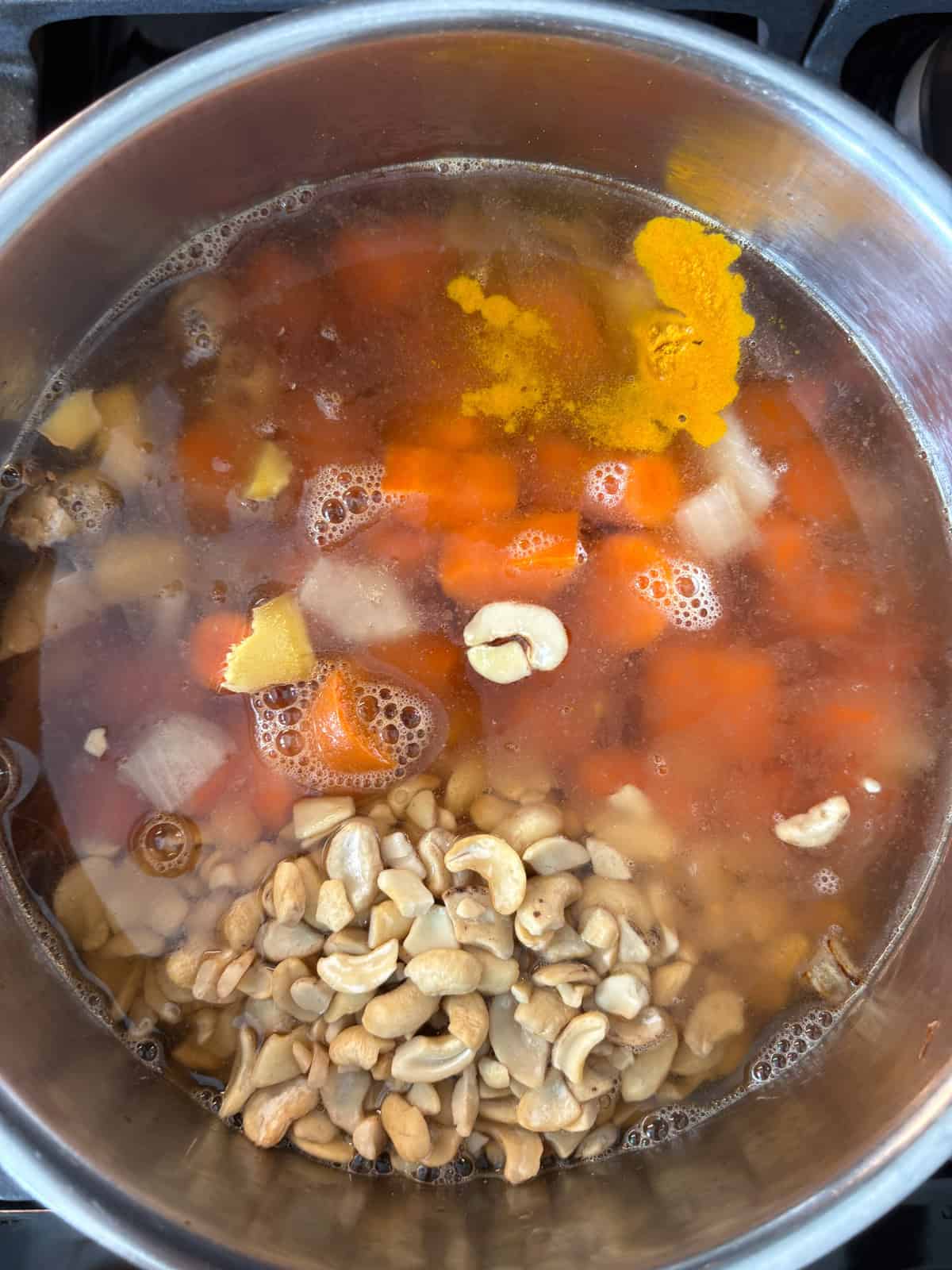
- Step 3: Add the rest of the soup ingredients and bring to a boil. Cover, reduce heat to low, and simmer until the carrots are very soft.

- Step 4: Transfer the soup to a blender very carefully.

- Step 5: Blend on high for a minute or two until the soup is velvety smooth. You can also use an immersion blender for this, and keep the soup in the pot!

- Step 6: While the soup is simmering, make the topping. Spread the chickpeas out on several layers of paper towels.

- Step 7: Cover with more paper towels, and gently dry the chickpeas as much as possible. Separate any skins that have come off the chickpeas.
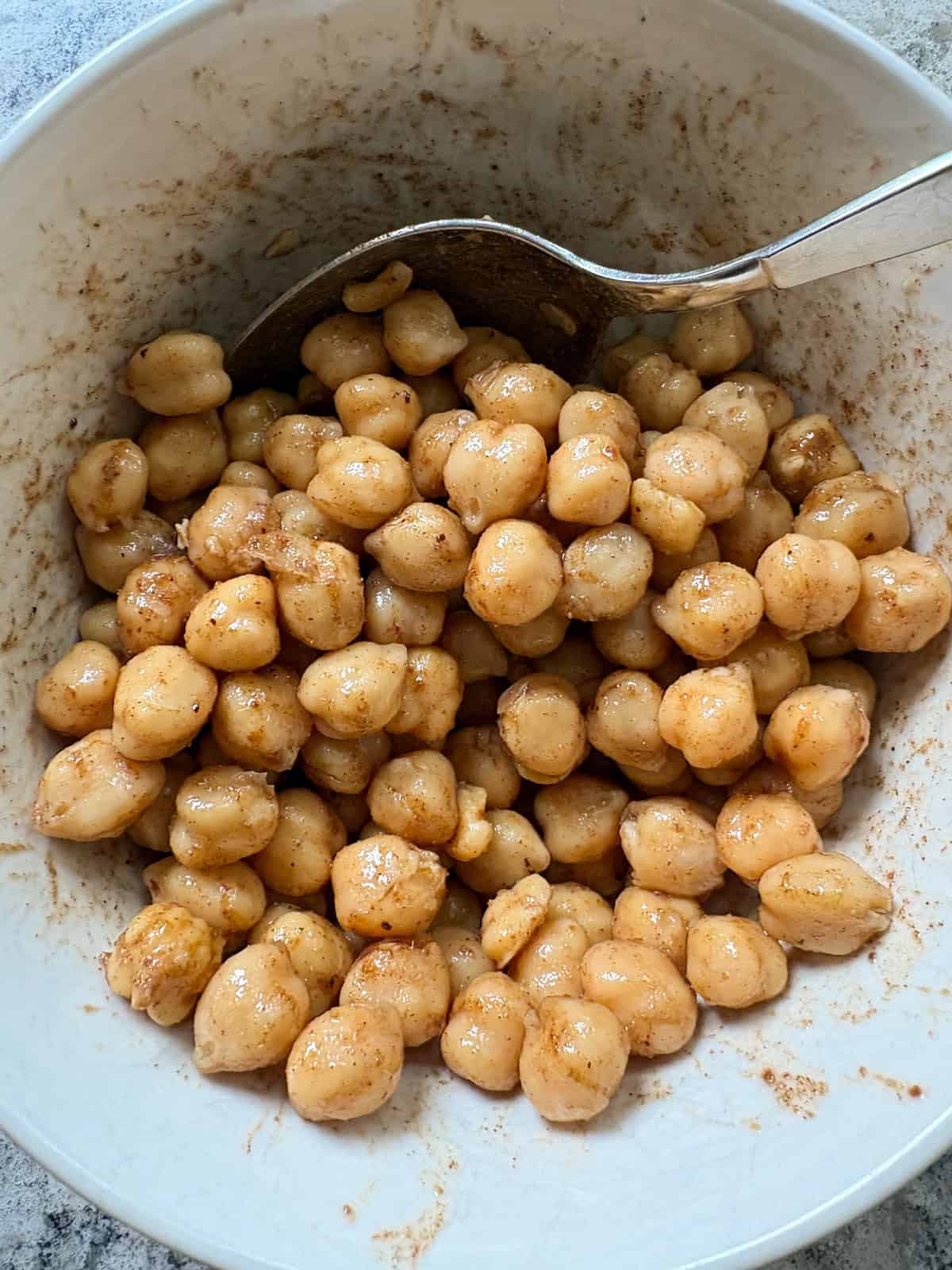
- Step 8: Toss the chickpeas with oil and spices.

- Step 9: Transfer to an air fryer basket.

- Step 10: Air fry on 425° F until the chickpeas are crispy.

- Step 11: If you're using the walnuts, add them to a dry skillet.

- Step 12: Warm them over medium heat, tossing or stirring often, until toasty and fragrant.
Hint: when you air fry the chickpeas, some of them may pop or burst open. That's normal, and not a problem for this recipe.
Variations
Try these different options for this recipe!
- Nut free - leave out the walnuts completely, and instead of cashews, use raw sunflower seeds to create a silky smooth texture. You could also use silken tofu in place of the cashews.
- Other veggies - instead of all, or some, of the carrots, you could use butternut squash, pumpkin, parsnips, sweet potatoes or white potatoes, or even beets
- Other spice options - try cumin, coriander, a pinch of cayenne, or caraway seeds. Or make it herby by using a combination of dill and parsley instead of ginger.
Equipment
Besides a soup pot big enough for your ingredients, you need either a high speed blender or an immersion blender for pureeing the soup. If you're making the crispy chickpeas, you will also want an air fryer, though there are oven directions included if you prefer.

Storage
Cool the soup completely, and store in an airtight container in the refrigerator for up to 5 days.
Can be frozen for up to 3 months.
Healthy heart pro tip
Soup can be incredibly nourishing and heart healthy! Where it sometimes goes off the rails is with broth laden with sodium and heavy cream or cheese used to make it creamy. Sidestep those issues by choosing unsalted vegetable stock (available in most grocery stores), and a creamy option low in saturated fat. Here we use blended cashews. Silken tofu is also a great way to make a super creamy soup base!
FAQ
Yes! The ingredients in carrot ginger soup are broadly anti inflammatory, and in this recipe especially, we use ingredients that contribute to its anti inflammatory properties, rather than hinder it.
Yes it does. This soup can be frozen for 3-6 months, depending on the conditions of the freezer.
Related
Looking for more heart healthy soup recipes? Try these:
- Instant Pot Irish Stew with Lentils and Mushrooms
- White Bean Veggie Chili
- Celery and Leek Soup
- Healthy Mushroom Soup


Pairing
These are my favorite dishes to serve with Ginger Carrot Soup:



📖 Recipe

Ginger Carrot Soup
Equipment
- High speed blender or Immersion Blender
- Air Fryer
Ingredients
- 1 tablespoon Olive Oil
- 1 medium Onion chopped
- 4 cups Homemade Vegetable Stock or no added salt/low sodium stock or broth
- 1 lb Carrots scrubbed, ends removed, and roughly chopped
- 1 cup Raw Cashews
- 2 inch piece Fresh Ginger minced
- ¼ teaspoon Turmeric
For the Topping
- 1 can Chickpeas no added salt, drained and rinsed
- 2 teaspoon Olive oil
- ½ teaspoon Cumin
- ¼ teaspoon Cinnamon
- ⅛ teaspoon Nutmeg
- Optional ¼ cup Walnuts toasted, chopped
- Optional Cilantro for garnish
Instructions
- Heat the olive oil in a pot and add the chopped onions. Sauté on medium heat for about 5-7 minutes, until the onions begin to brown slightly.
- Add the rest of the soup ingredients to the pot: vegetable stock, carrots, cashews, ginger, and turmeric, and bring to a boil.
- Cover, reduce heat to low, and simmer for about 15 minutes; until the carrots are very soft.
- Transfer the contents of the pot (CAREFULLY) to your high speed blender, attach the lid tightly (properly vent if needed), and blend on high for a minute or two, until the entire mixture is silky smooth. Alternatively, use an immersion blender right in the pot until the soup is completely smooth.
- While the soup is simmering, make the chickpea topping. Place the chickpeas on several layers of paper towels, cover with additional paper towels, and gently pat them dry.
- Remove any skins from the chickpeas that come off during this process or are already very loose. No need to peel every chickpea!
- Transfer the chickpeas to a bowl, and toss with olive oil and spices.
- Pour the chickpeas into the air fryer basket, and air fry at 425° F for 12-15 minutes, until the chickpeas are dry and crispy.
- For optional walnuts: Place the walnuts in a dry pan over medium-low heat. Stir or shake the pan continuously over the burner for 3-5 minutes, until you can smell the pleasant aroma of the walnut oils. Remove from the heat.
- Serve the soup hot, garnished with crispy chickpeas and other toppings you like: chopped walnuts, cilantro, hemp seeds, chili oil, etc.
Notes
Nutrition
*Nutrition information is an estimate, and will change based on the brand and individual ingredients and amounts you use. This is provided for your convenience only.
Food safety
Safety is our top priority in the kitchen! Always keep these tips in mind.
- Wash hands before touching food, and after touching your hair, face, pets, etc.
- Make sure all needed utensils and equipment are clean before beginning
- Don't leave food sitting out at room temperature for extended periods
- Never leave cooking food unattended
- Always have good ventilation when using a gas stove
- Take extra care when blending hot liquids to properly vent the blender
- Always open the lid of cooking pots away from your face to avoid scalding burns



Leave a Reply