
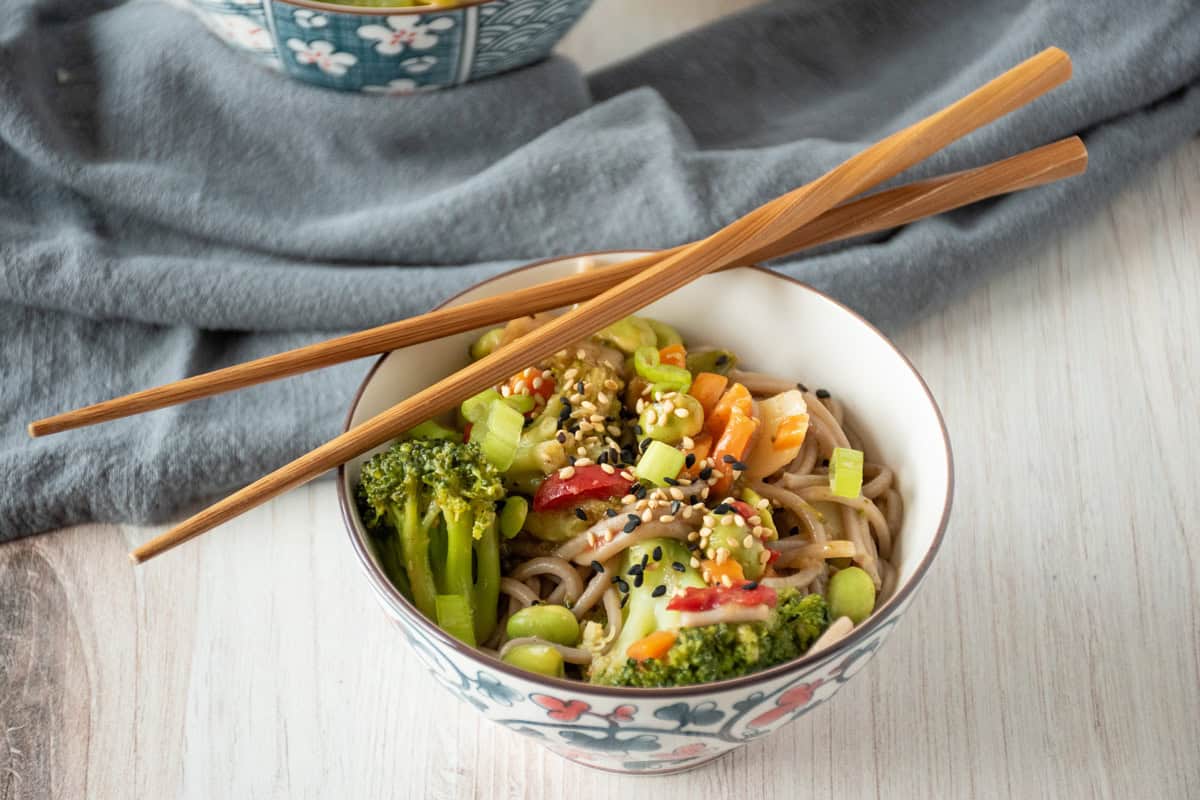
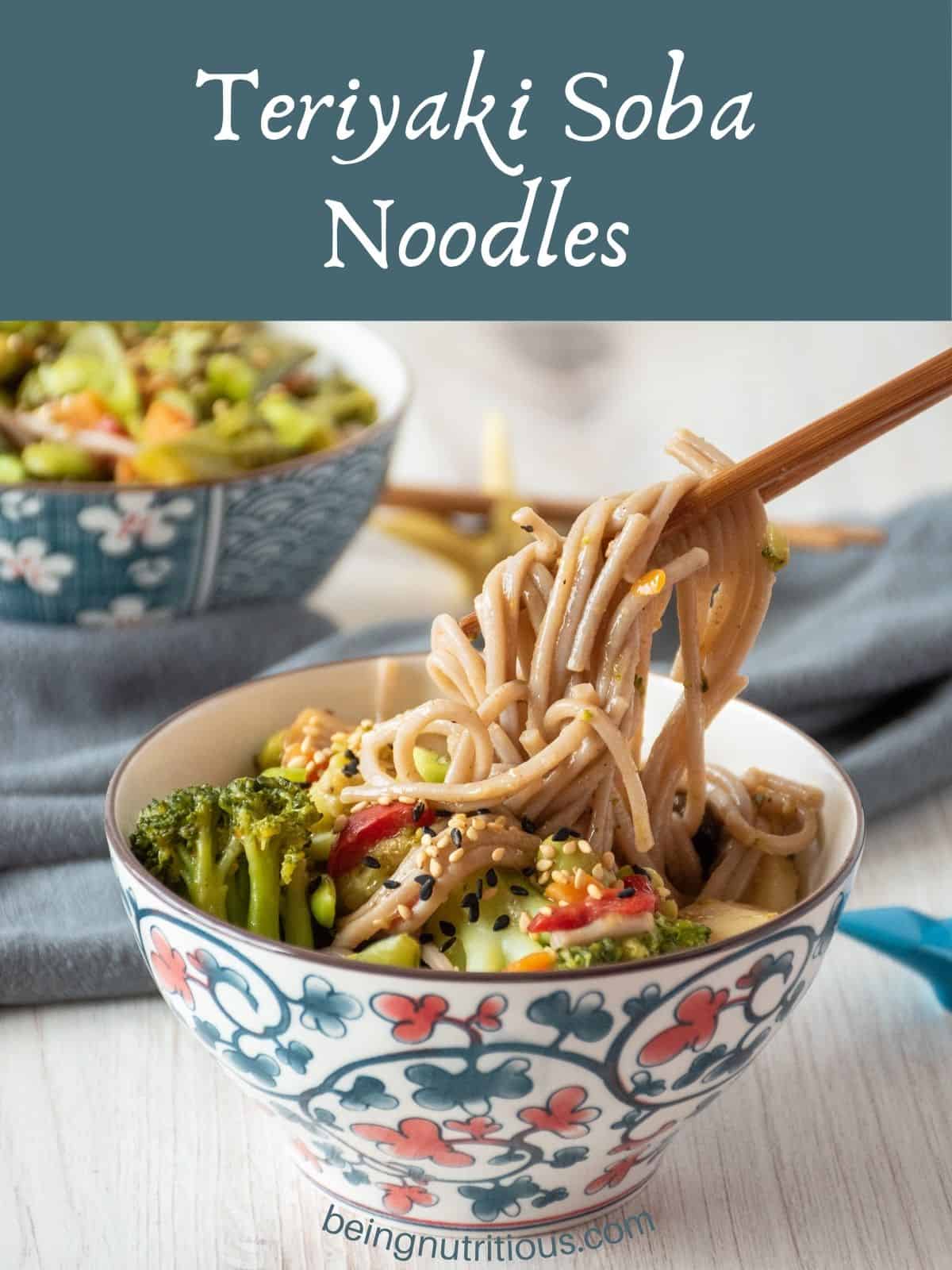
These delicious, easy vegetarian Teriyaki Soba Noodles use frozen stir fry vegetables and a simple homemade reduced sodium teriyaki sauce so you can get your meal prepared lightning quick! This recipe has everything. Crisp tender vegetables that require zero prep, a thick sauce that's a little sweet, a little salty, and a little tangy, and of course, noodles! And with only 20 minutes from freezer to table, this is a family pleaser!
This post may contain affiliate links. See our Disclaimer for more information
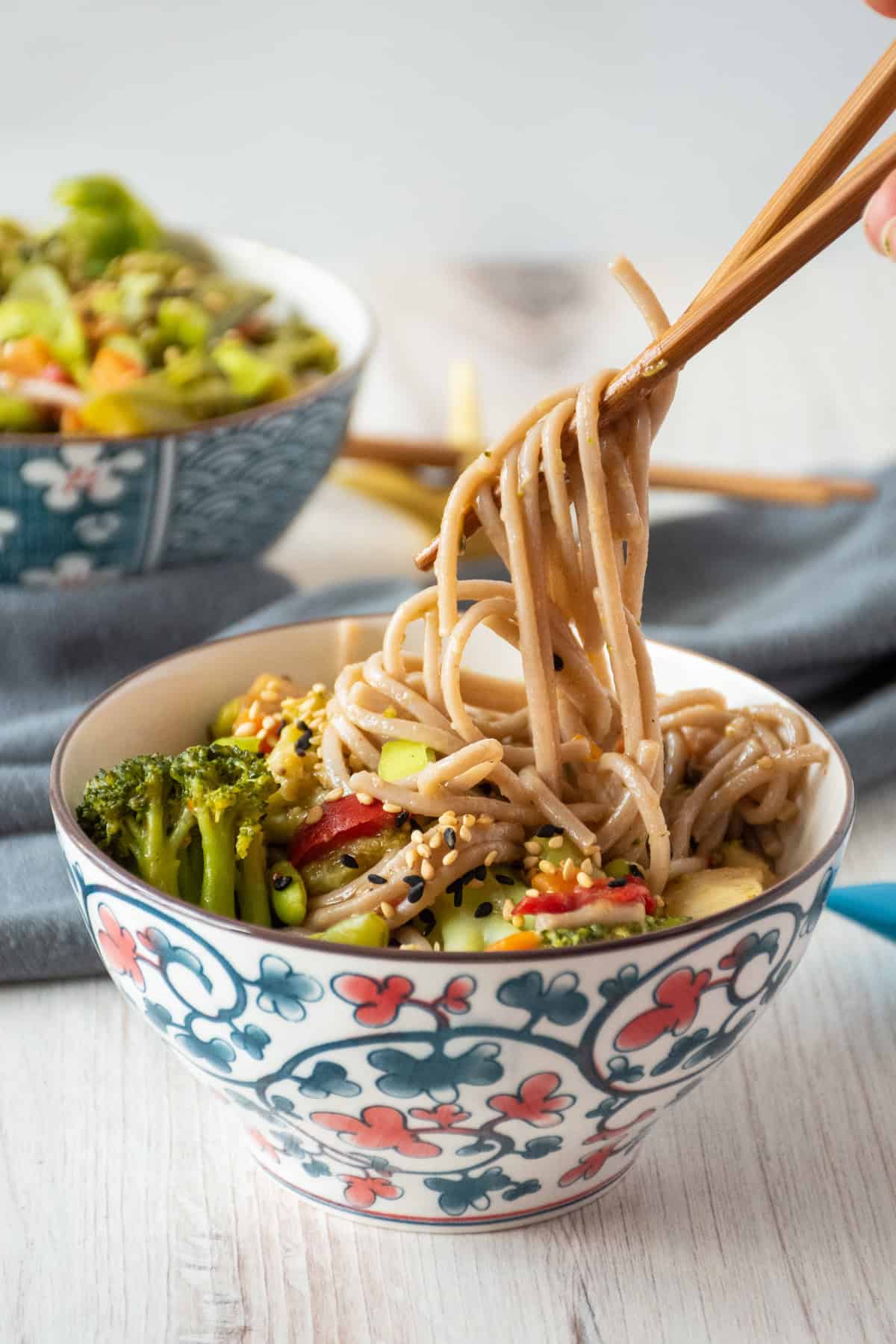
Soba noodles are usually made from buckwheat, or a combination of buckwheat with other grains. They are traditionally used in Japanese, and are higher in both fiber and protein than regular wheat noodles. They also lend a delicious nutty flavor to the dish.
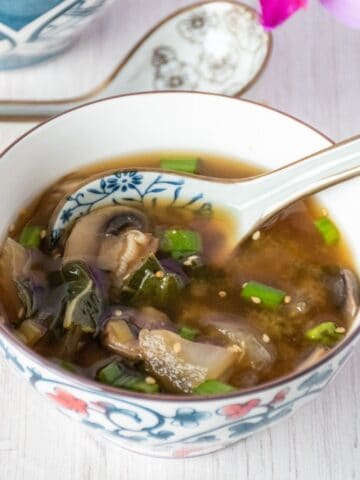
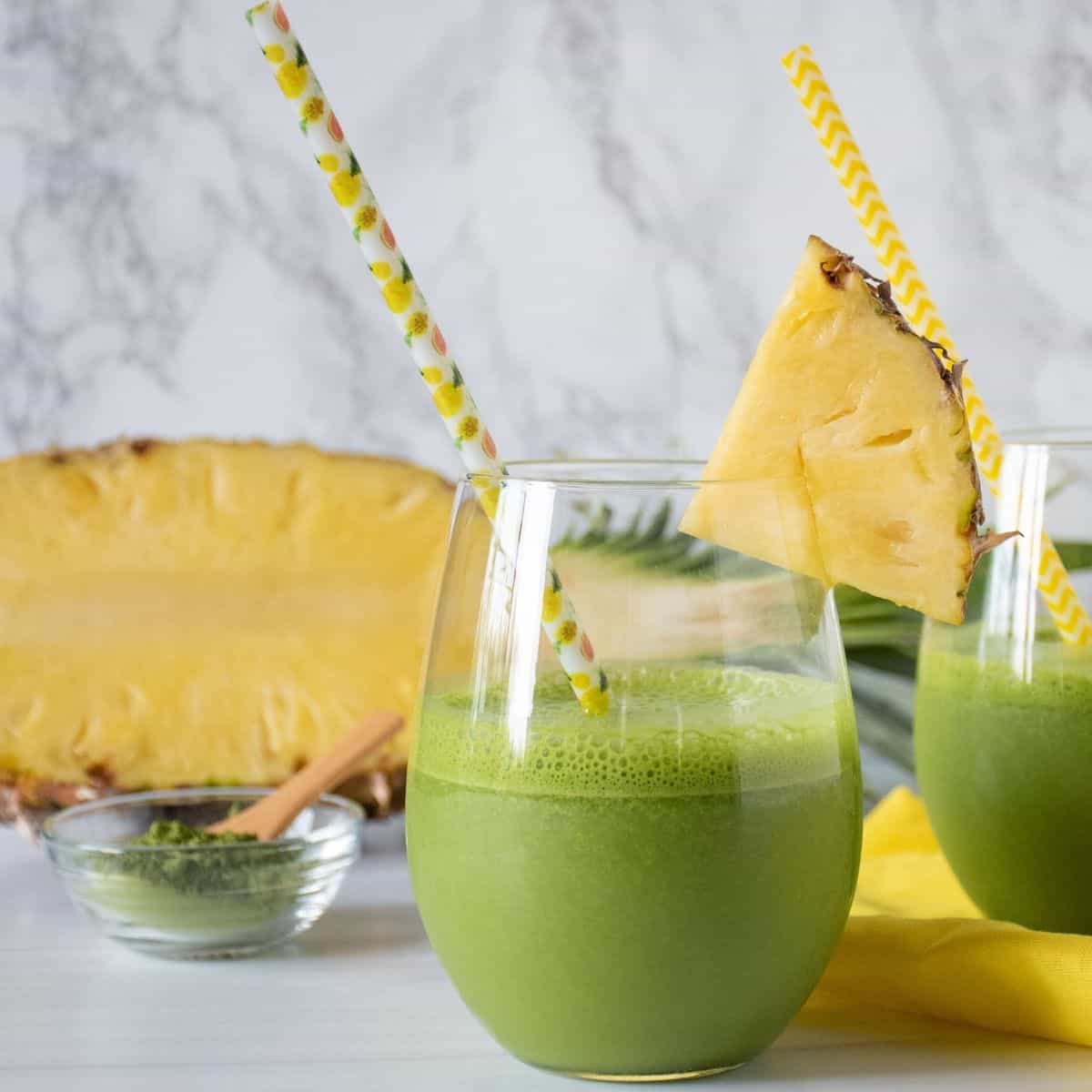
Teriyaki noodles pair well with other Asian-inspired dishes, like Japanese pancakes and bok choy mushroom soup, and green tea.
Jump to:
Heart Health Benefits of Teriyaki Soba Noodles
Our soba noodles stir fry is designed for both taste and health! Soba noodles are made with buckwheat, which can help lower total cholesterol levels, blood glucose, and triglycerides (1). Other ingredients also contribute to lower cholesterol, lower blood pressure, and overall cardiovascular benefit, like stir fry veggies (2), edamame (3), sesame oil (4), and garlic (5).
Macronutrients
Teriyaki soba noodles is low in calories, a good source of mono- and polyunsaturated fats, and high in plant based protein and fiber. There is overwhelming evidence that replacing red and processed meats with plant-based protein sources can lower your risk cardiovascular disease (6, 7), so this dish is a great option!
Micronutrients and Bioactive Components
Bioactive compounds are substances that have effects within the body that promote good health. Here are some of the most abundant bioactive compounds in teriyaki soba noodles:
- Soluble fiber - (in soba noodles) a type of fiber that dissolves in water and can help lower cholesterol and blood sugar (8);
- Insoluble fiber - (in vegetables and edamame) helps slow blood sugar response and support gut health (9);
- Rutin - (in soba noodles) has a unique ability to help reduce cardiac stress due to environmental pollutants - specifically BPA (Bisphenol-A) and DBP (Dibutyl phthalate) - (note that studies have been in rodent models to date, but promising) (10).
- Iron - (in soba noodles and edamame) necessary for oxygen transport through the body (11);
- Soy isoflavones - (in edamame) higher isoflavone intakes are associated with lower risk of coronary heart disease and overall cardiovascular disease (12, 13);
- Mix of carotenoids, flavonoids, and phenolic acids - (in colorful veggies) group of antioxidants and anti inflammatory agents that work together to lower cardiovascular risk (14);
- Vitamin C - (in colorful veggies) water-soluble antioxidant that neutralizes free radicals, protects LDL from oxidation, and supports endothelial function (15);
- Allicin - (in garlic) organosulfur compound that, along with other garlic compounds, boasts antioxidant and antiplatelet effects. It may also improve oxidative stress and lower blood lipids (16); and
- Gingerols and shogaols - (in ginger) bioactive ginger phenolics that may have antioxidant, antiplatelet and modest lipid and blood pressure lowering effects (17, 18).
Ingredients
Here is what you'll need for this recipe, along with some applicable substitutions and notes.
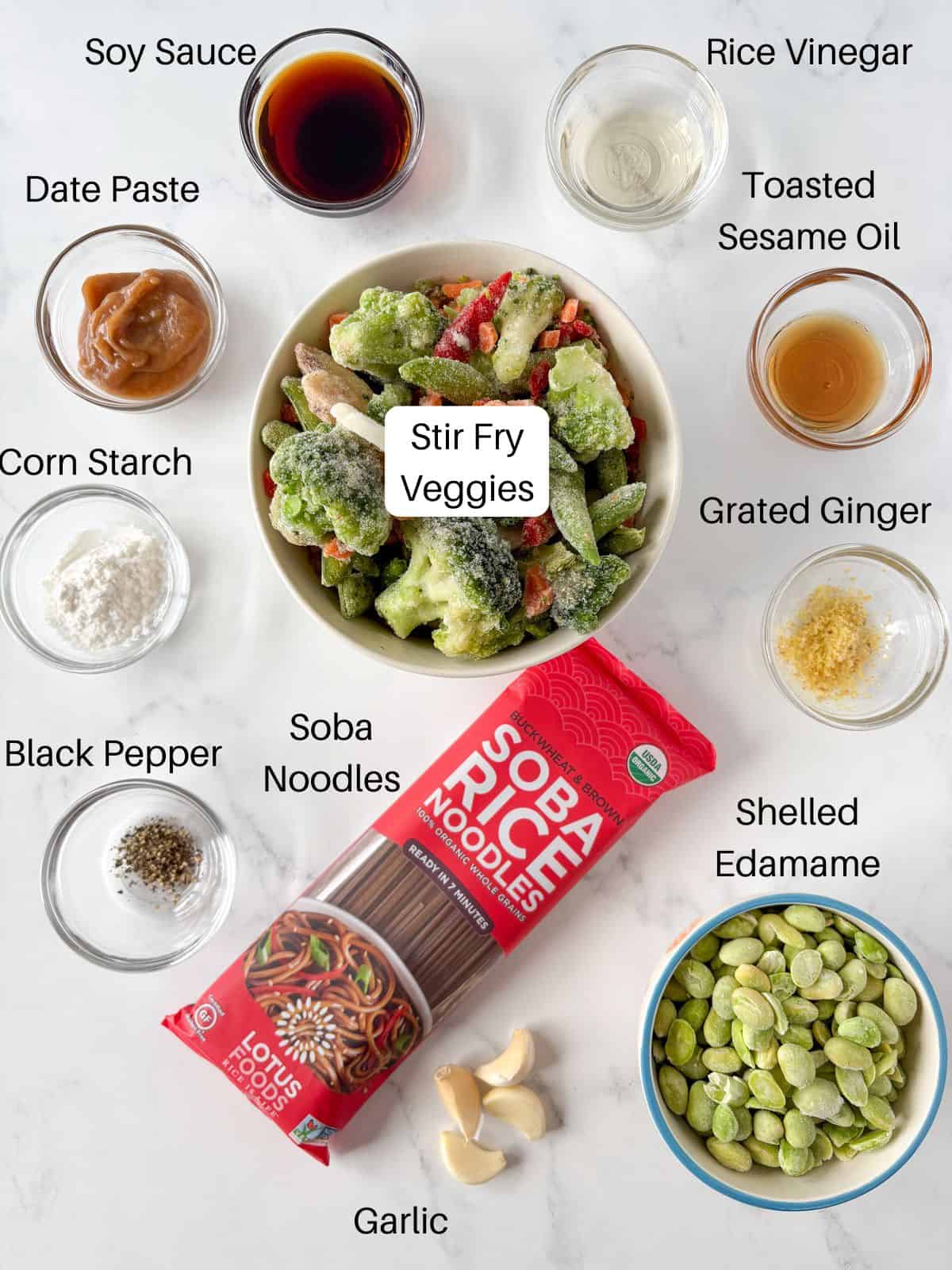
- Soba noodles - try to get one that is 100% whole grain
- Frozen stir fry vegetables - any combination of frozen veggies you like it fine
- Frozen edamame - get it shelled; it's sometimes called mukimame
- Low sodium soy sauce - or use regular soy sauce cut 50/50 with water
- Date paste - used for sweetness. You can also use honey, 100% pure maple syrup, or brown sugar if you are less worried about added sugars
- Rice vinegar - apple cider vinegar can be used in a pinch
- Toasted sesame oil - adds so much flavor it's worth finding! But if you can't find it, any cooking oil you have can be substituted
- Ginger - grate it fresh, or use ginger paste
- Garlic
- Black pepper
- Cornstarch - for thickening the sauce. Arrowroot powder can be used also.
See recipe card for quantities.
Instructions
Here's how to make teriyaki soba noodles!
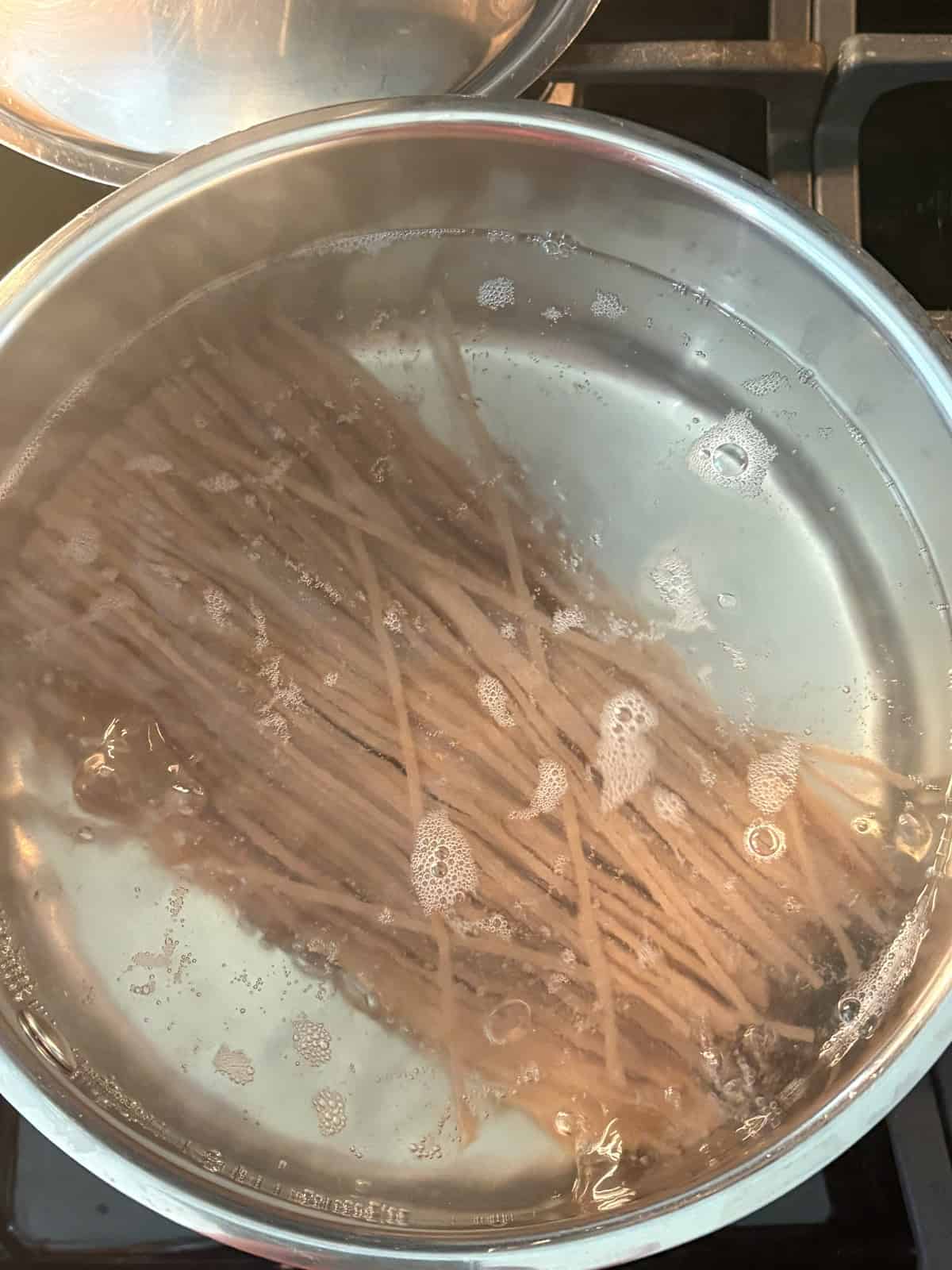
- Step 1: Boil a pot of water, and cook the soba noodles per the ingredients.
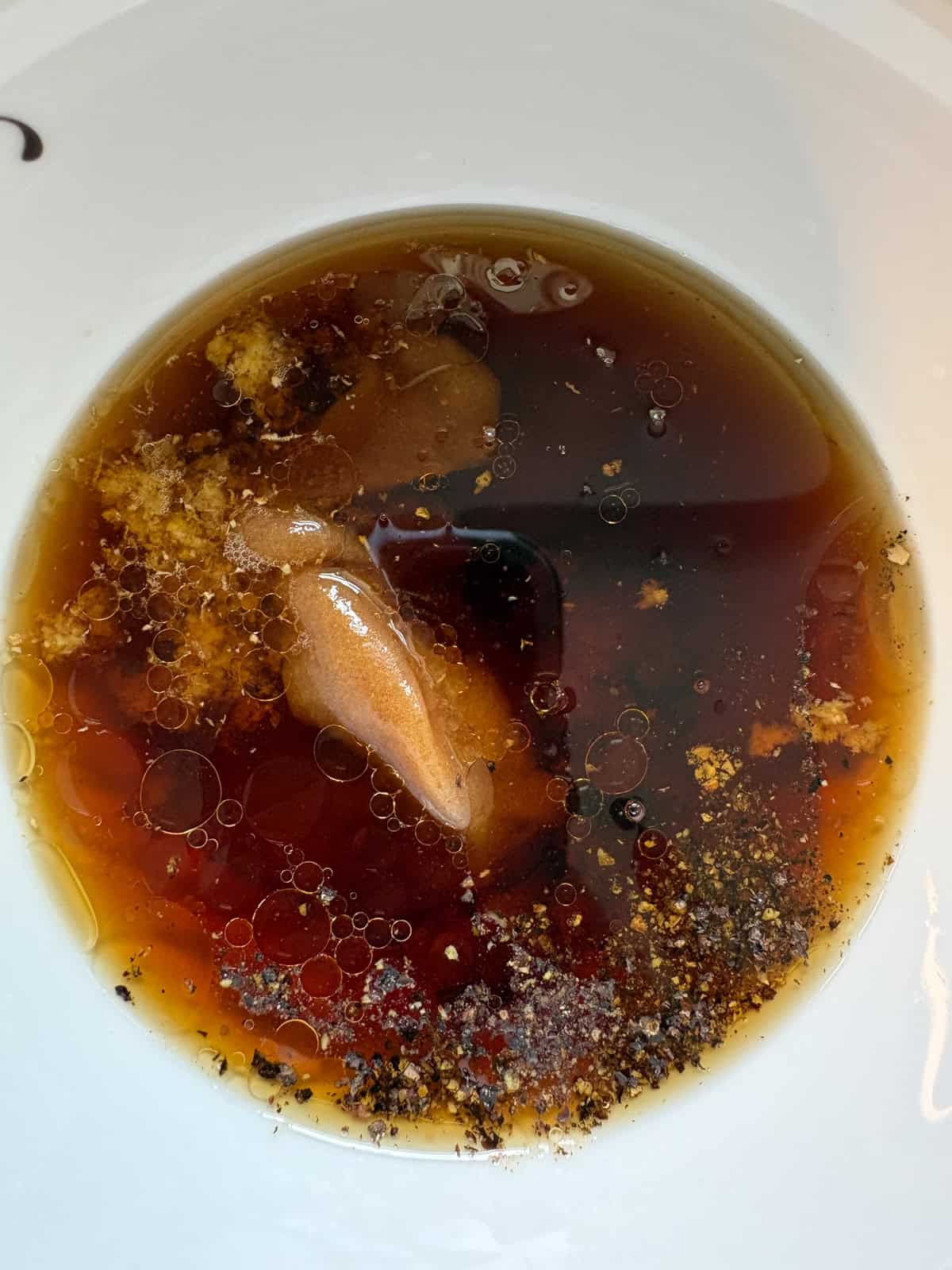
- Step 2: While the noodles are cooking, make the lower sodium teriyaki sauce, by adding all the sauce ingredients to a small bowl.
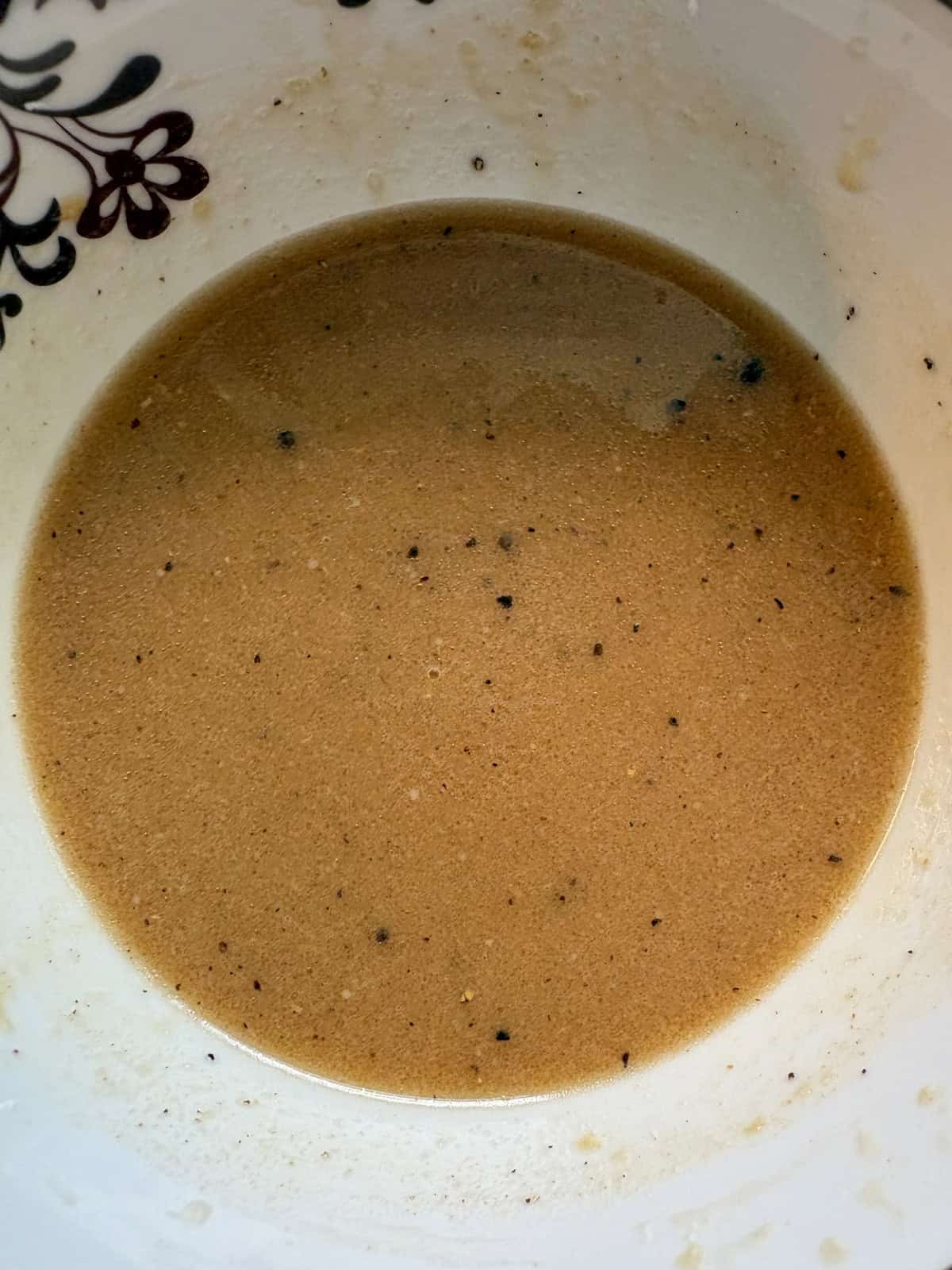
- Step 3: Whisk until the sauce is smooth.
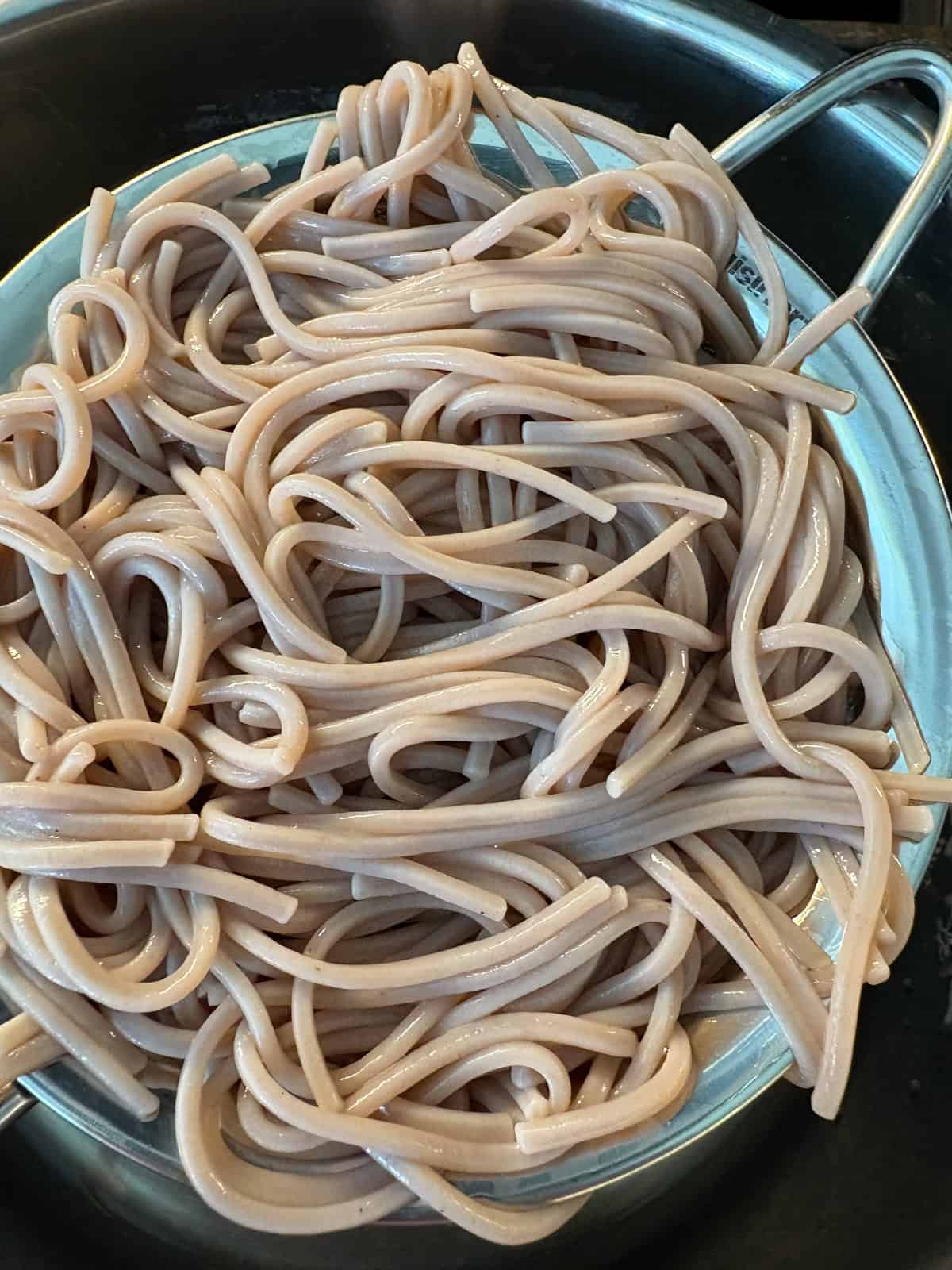
- Step 4: When the noodles are done, drain them, and rinse them in cold water. Set aside while the vegetables cook.
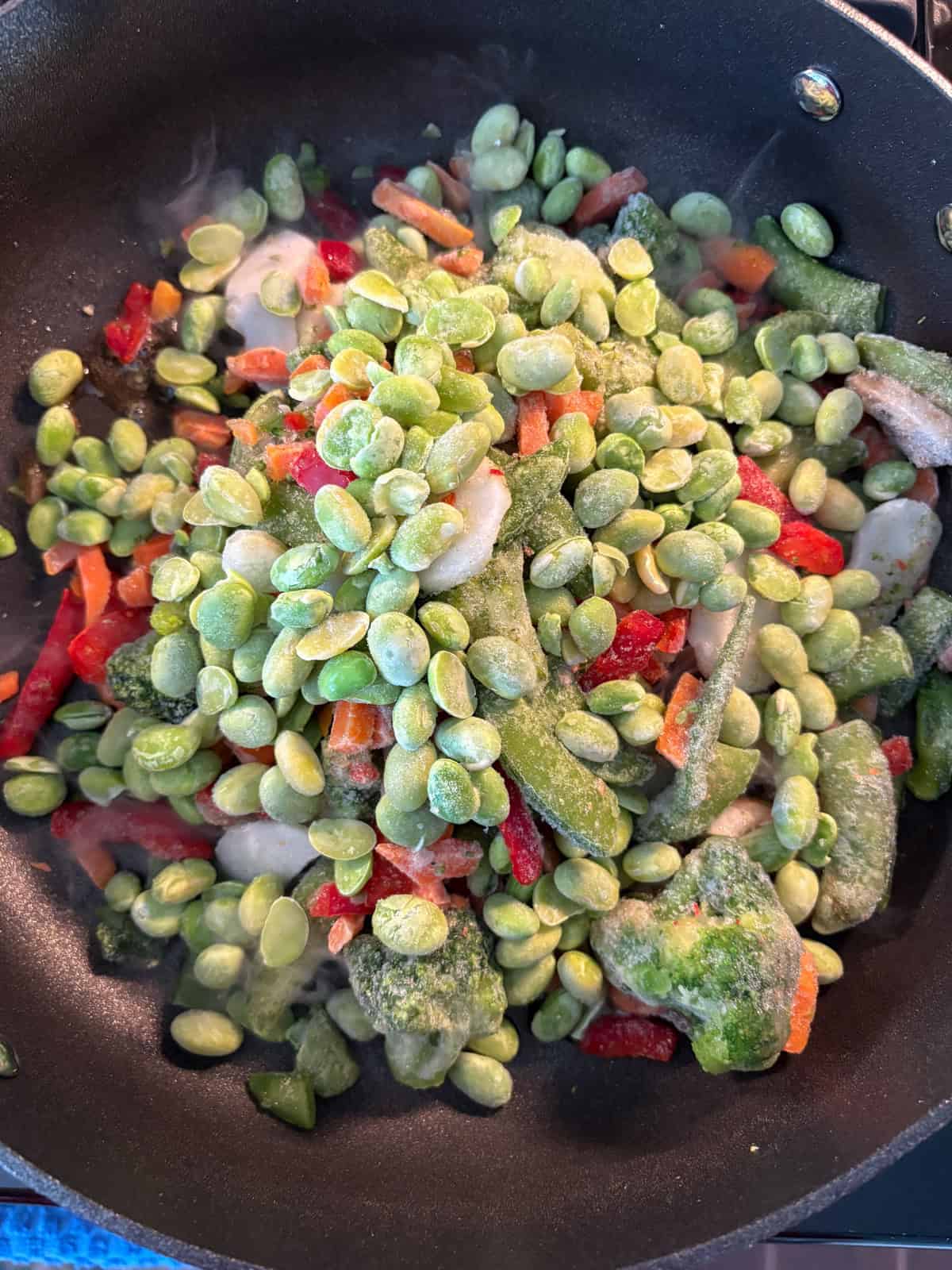
- Step 5: Heat the toasted sesame oil over medium heat, and add the frozen stir fry vegetables and edamame to the skillet.
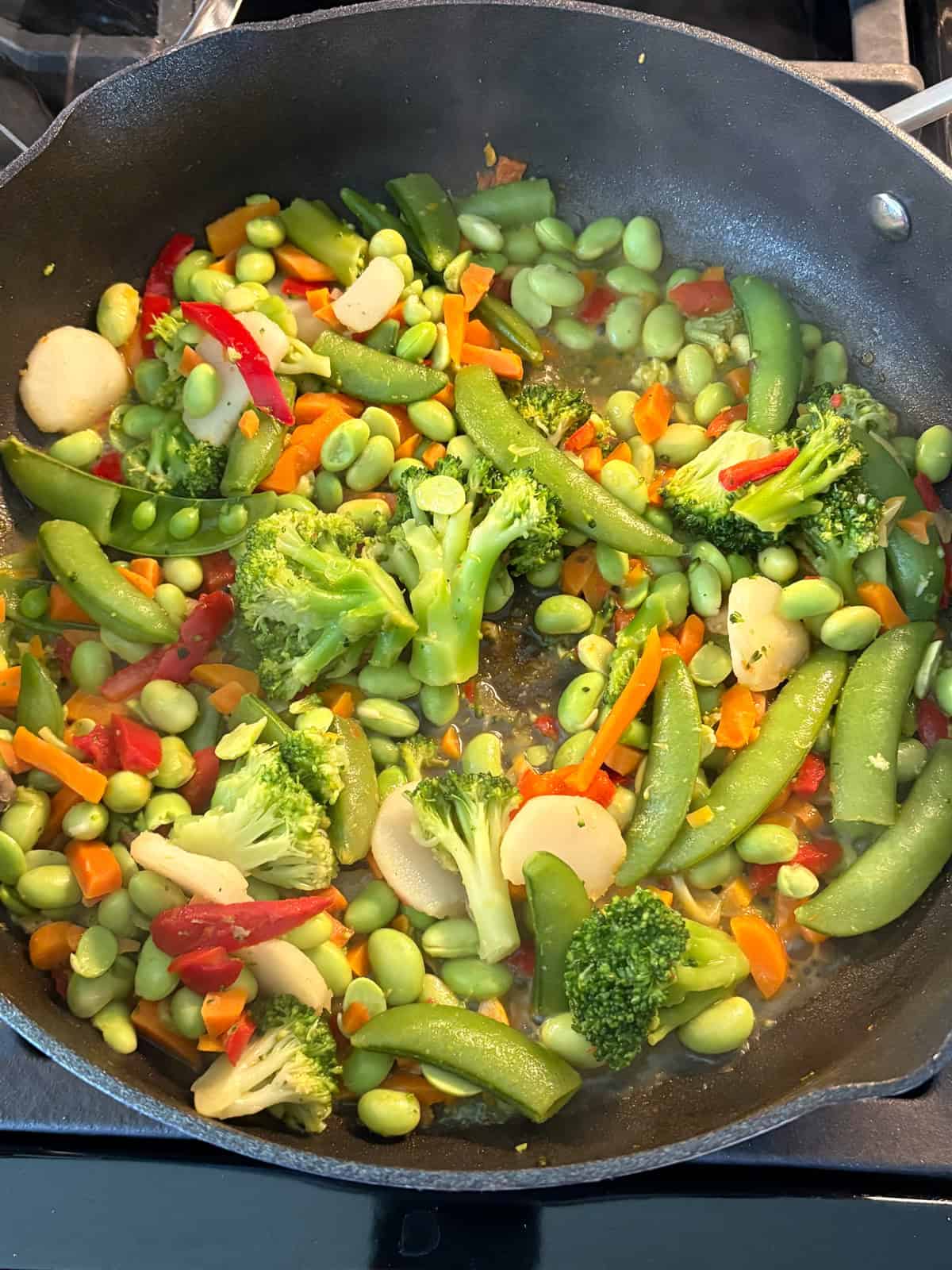
- Step 6: Cook, stirring occasionally, until the vegetables are completely thawed, but still crisp; about 7-10 minutes.
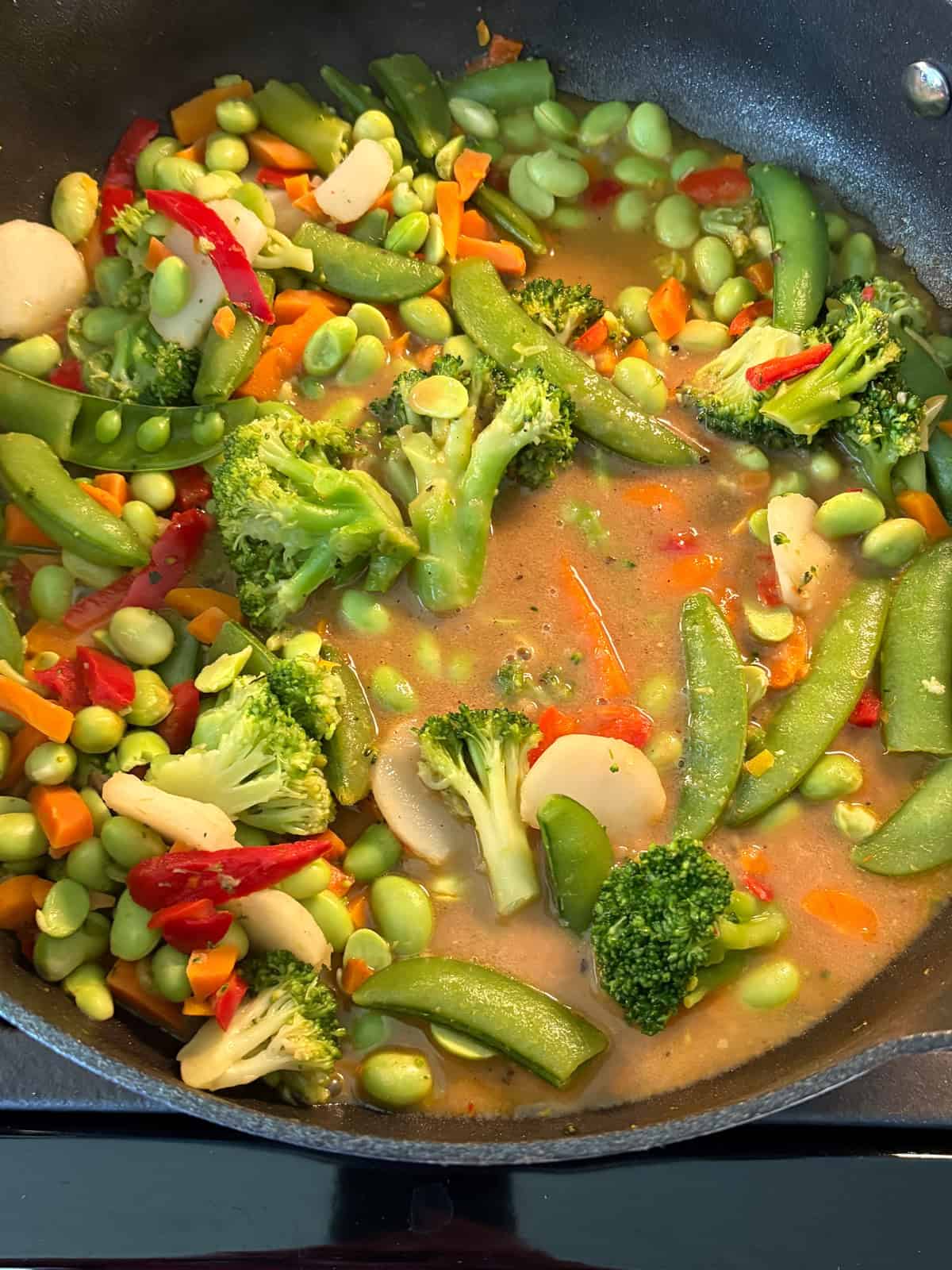
- Step 7: Pour the sauce into the vegetables.
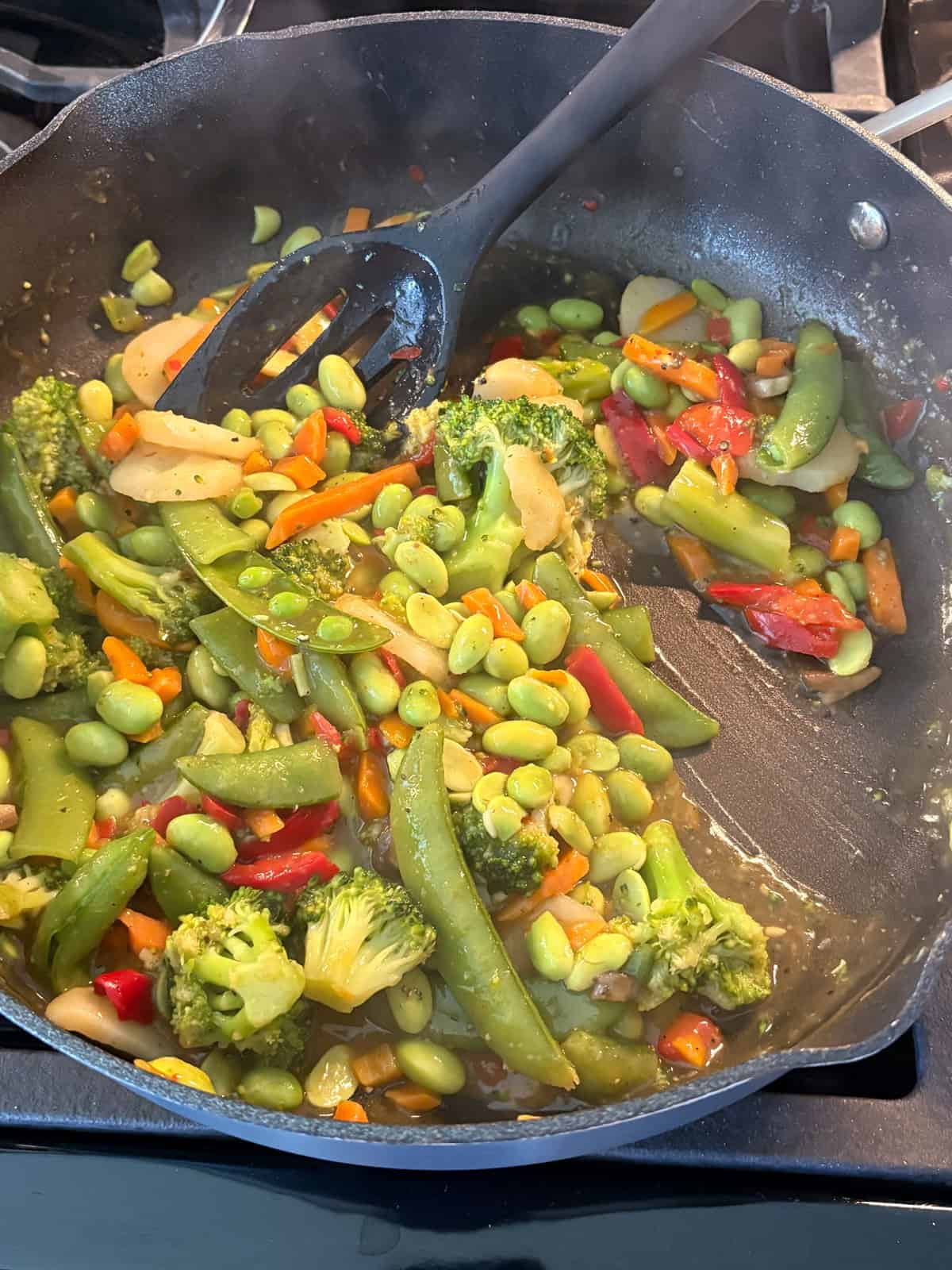
- Step 8: Reduce the heat to low, and cook for a few minutes, stirring, until the sauce thickens.
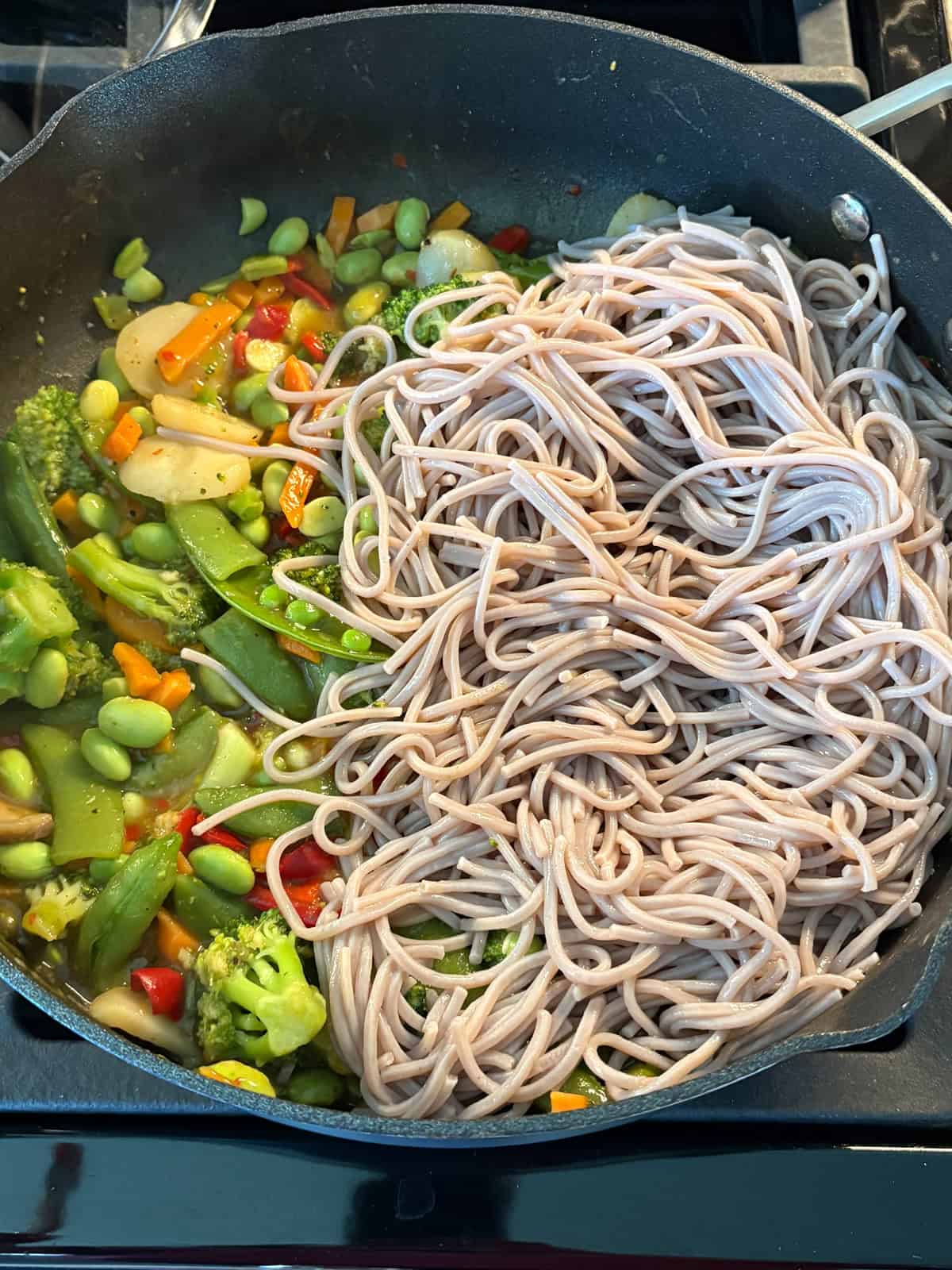
- Step 9: Dump the cooked noodles into the vegetables.
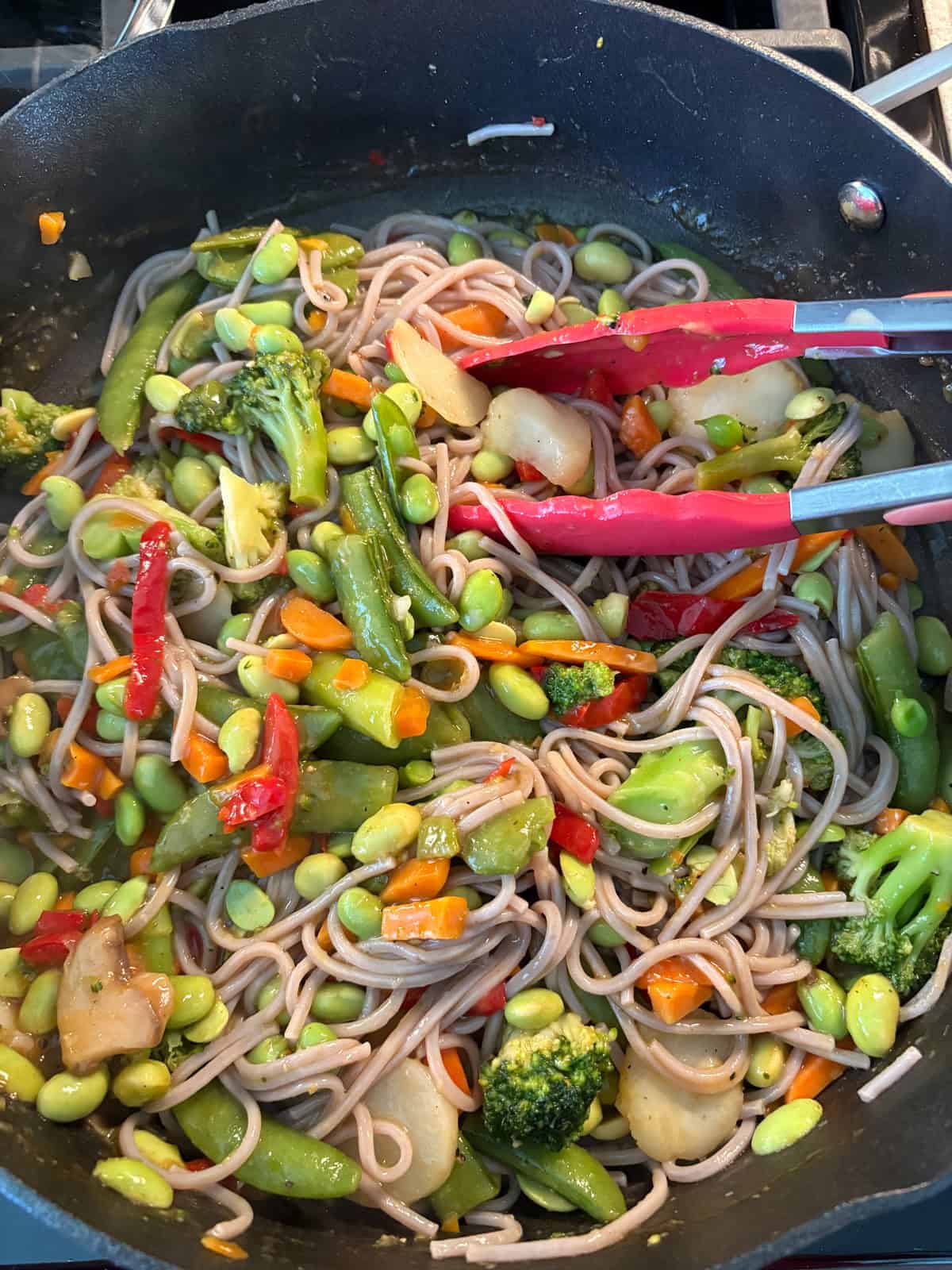
- Step 10: Toss to combine everything together, and serve immediately.
Hint: this dish is truly best served right after cooking it. While it can be stored for later, the noodles absorb the sauce and the dish becomes a little dry.
Variations
One of the great things about stir fry dishes is their endless variations. Here are a few you might enjoy:
- Spicy - add chili pepper flakes to the teriyaki sauce to kick up the heat a notch (watch out for hot sauces and some are very high in sodium)
- Extra protein - add more protein by replacing a cup of the frozen veggies with an extra cup of edamame or a cup of chopped or torn tofu
- Soy free - use chickpeas instead of edamame, and replace the soy sauce with coconut aminos
See this low carb stir fry if you're needing something lower in carbs (serve it with cauliflower rice)!
Equipment
Make sure you have a large skillet or wok for this recipe.
A microplane will also help to make quick work of grating the ginger and garlic. If you don't have one, you can mince those ingredients and it will turn out great!
Storage
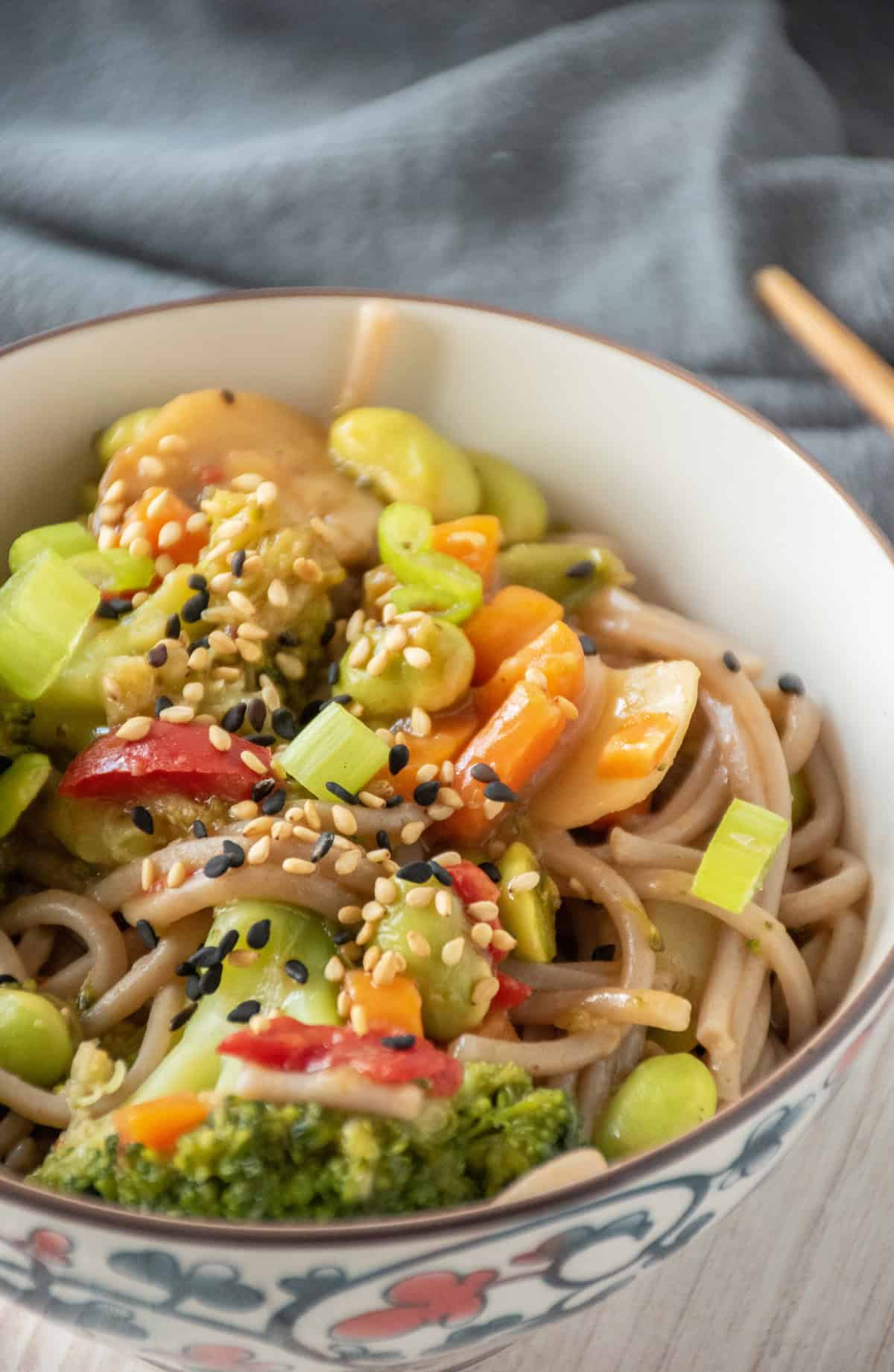
These noodles are really best eaten right after making them. The noodles start to absorb the sauce and they become much dryer after being stored.
However, if you have leftovers, you can refrigerate them for up to 4 days, and reheat in the microwave.
This recipe won't freeze well because of the noodles.
Healthy heart pro tip
This dish is lower in sodium than take out and restaurant dishes by far. However, it still contains a considerable amount of sodium (about 460 mg per serving) thanks to the use of low sodium soy sauce, and you should be mindful of that. This dish does contain more potassium than sodium, which can help counteract the effects. Look for other high potassium foods to pair with this dish, and be mindful of the amount of sodium in other dishes you eat surrounding this meal.
To reduce the sodium in this dish even more, use half the amount of low sodium soy sauce the recipe calls for, and make up the rest with water or no salt vegetable stock.
FAQ
Typically they are, since they are made with buckwheat, which is naturally gluten free. Check to make sure the noodles aren't made with a blend of grains that would contain gluten if you need to eat gluten free.
Yes. Soba noodles, made with buckwheat, contain more fiber, protein, and antioxidants than regular pasta.
Related
Looking for other fast and easy meal recipes? Try these:


Pairing
These are my favorite dishes to serve with Teriyaki Soba Noodles:
Want to say thank you?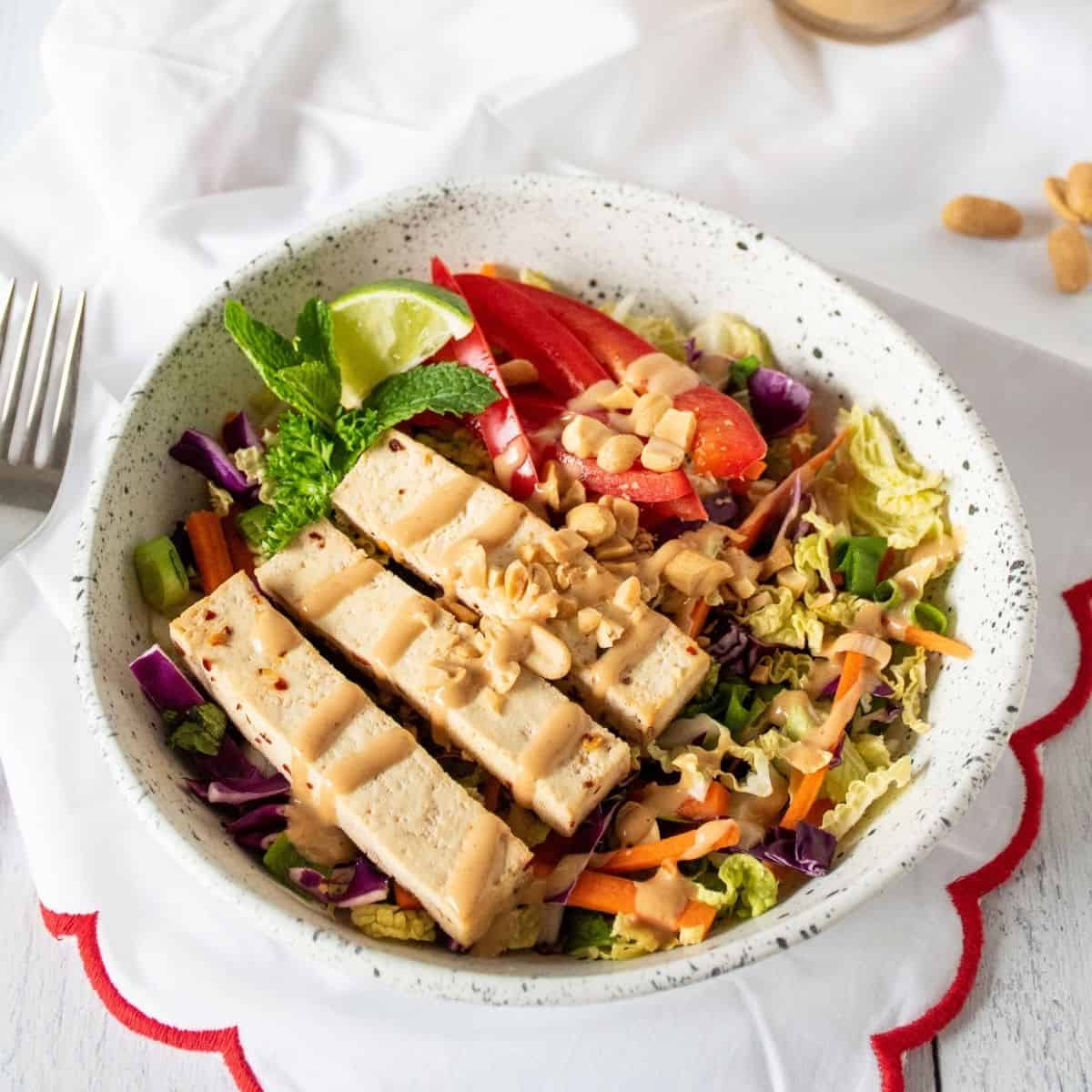
📖 Recipe
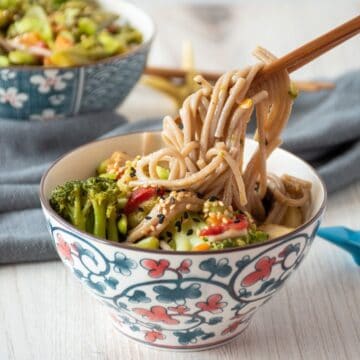
Teriyaki Soba Noodles Bowl
Ingredients
- 8 oz Soba Noodles
- 2 teaspoon Toasted Sesame Oil
- 5 cups Frozen Stir Fry Vegetables about 1 pound
- 1 cup Frozen Shelled Edamame
For the Sauce
- 3 tablespoon Water
- 3 tablespoon Low Sodium Soy Sauce
- 2 tablespoon Rice Vinegar
- 2 tablespoon Date Paste
- 2 teaspoon Toasted Sesame Oil
- 4 cloves Garlic grated or minced
- 1 tablespoon Grated Ginger
- ¼ teaspoon Ground Black Pepper
- 1 tablespoon Cornstarch
To Garnish:
- Sliced Green Onions
- Sesame Seeds
- Red Pepper Flakes
Instructions
- Begin by bringing a large pot of water to a boil, in which to cook the noodles.
- While the water is heating up, make the sauce. Add all the sauce ingredients to a bowl, and whisk thoroughly. Set aside for now.
- When the pot of water is boiling, add the soba noodles, and cook per package directions. Drain, rinse in cold water and set aside.
- While the noodles are cooking, heat the sesame oil in a large skillet or wok, and add frozen stir fry vegetables and edamame. Stir fry the vegetables until they are thawed and crisp-tender.
- Add the sauce to the skillet, stir, and simmer until thickened.
- Add the noodles and toss to combine.
- Garnish with green onions, and sesame seeds, or as desired.
Nutrition
*Nutrition information is an estimate, and will change based on the brand and individual ingredients and amounts you use. This is provided for your convenience only.
Food safety
Safety is our top priority in the kitchen! Always keep these tips in mind.
- Wash hands before touching food, and after touching your hair, face, pets, etc.
- Make sure all needed utensils and equipment are clean before beginning
- Don't leave food sitting out at room temperature for extended periods
- Never leave cooking food unattended
- Always have good ventilation when using a gas stove
- Always open the lid of cooking pots away from your face to avoid steam burns

sheenam @ thetwincookingproject says
Love recipes that have sesame oil!!! This looks amazing.
Laura Yautz says
Thanks so much! I agree. Love sesame oil! <3