
By now we've probably all heard about the man in Massachusetts who died after his heart stopped from eating too much licorice. So now you're probably wondering if you should avoid black licorice if you have heart problems! Let's take a look at what happened in this case, and what's the deal with black licorice.
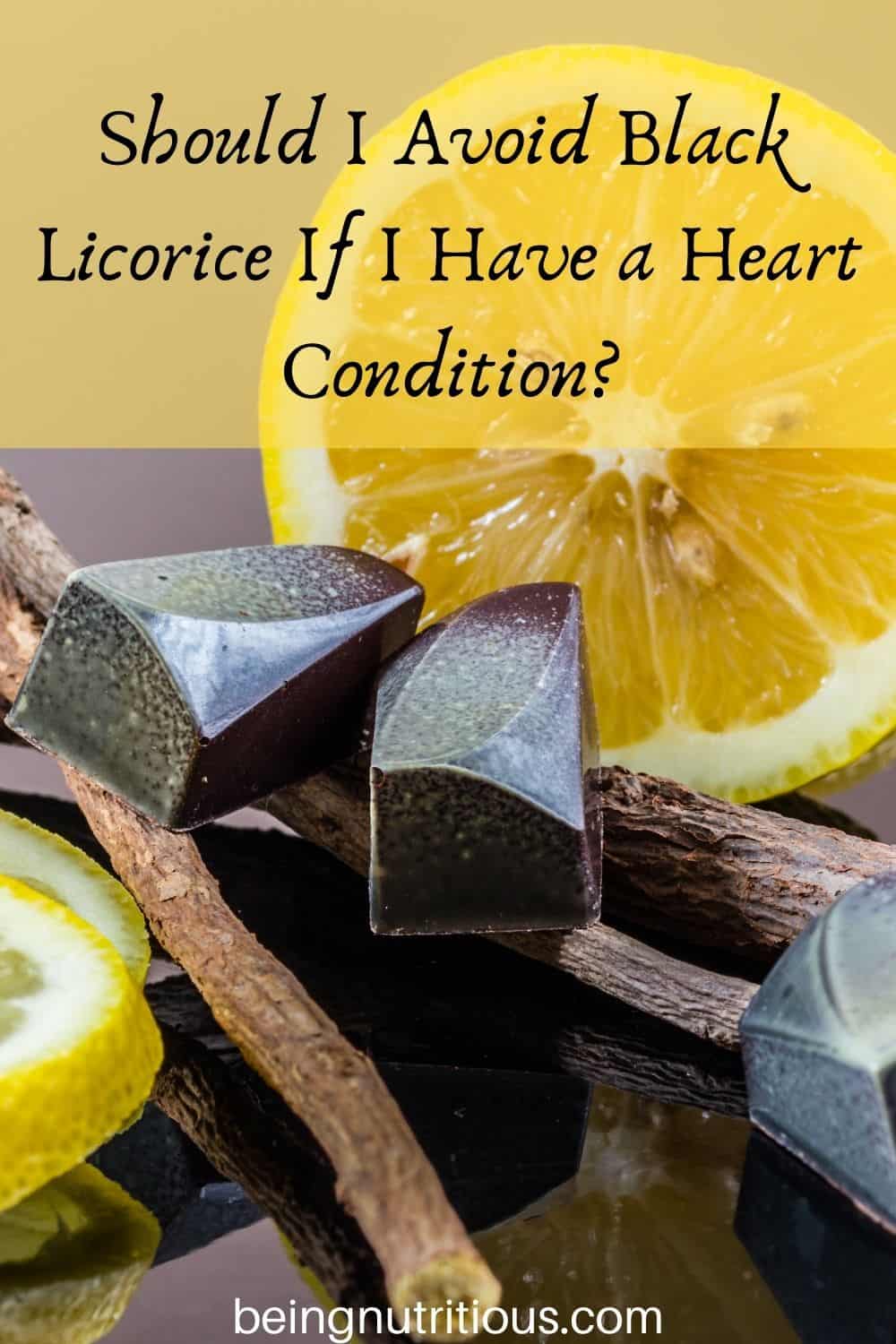
Can Black Licorice Really Stop Your Heart?!
First let me say that this is incredibly rare. Even in people who love black licorice, they usually don't eat enough for this to happen.
That said, yes, black licorice can cause heart problems. Even a small amount can start to raise your blood pressure. The culprit is a compound in licorice root called glycyrrhizin. Glycyrrhizin is a chemical that gives licorice its sweet flavor. In large and sustained amounts, it can cause sodium retention and low potassium levels, fluid retention (edema), and high blood pressure, arrhythmia, and heart failure (1). In the case in Massachusetts, the man reportedly ate a bag and a half of black licorice candies for a couple weeks, leading to dangerously low potassium levels, and ultimately heart failure.
These effects are reversible when we stop eating it, but it can take several months for this to happen.
How Much Black Licorice Is Too Much?
A safe amount of glycyrrhizin (also called glycyrrhizic acid) varies by person due to differences in metabolism. But it seems that 100 milligrams or less per day is unlikely to cause adverse effects in most people (2). That translates into about 50 grams (a little under 2 oz) of licorice candy. Most people who consume 400 mg of glycyrrhizin or more a day will experience adverse effects.
What foods contain glycyrrhizic acid?
Glycyrrhizic acid is approved as an additive in foods, and is generally recognized as safe (GRAS). In addition to being naturally occurring in licorice root, it is often added to bitter medicines and beverages, candies, and even sometimes gum. Herbal remedies, herbal tea, and cough medicines often use licorice root or the additive as well.
Do anise, star anise, and fennel have the same effects as licorice?
In the US, many so-called black licorice candies actually use anise flavoring (anise oil), which tastes very similar to licorice root. Other herbs with a black licorice flavor are star anise and fennel. These do not have the same dangerous effects at high levels like licorice root. These are good alternatives for anyone concerned about consuming too much licorice. Read the ingredients to know for sure which is used.

The bottom line is, while most people aren't in danger of over consuming black licorice, those who love it may be, in addition to glycyrrhizic acid being potentially present in products of which we aren't aware. These products can be riskier for people who already have a heart condition, like high blood pressure or chronic edema. Always check ingredients and know where it's found. While heart failure and death is extremely rare due to licorice ingestion, it can and does happen.
If you're concerned about your potassium levels, be sure to check out our high potassium recipes archive!




Leave a Reply