
Potassium is a mineral and an electrolyte that your body needs in the proper amount to be able to function its best. It helps your muscles contract, your nerves to function correctly, your heartbeat to stay regular, and certain nutrients get into your cells and waste products to get out. It can also help control your blood pressure. Potassium is an uber important nutrient for your heart health.
How Does Potassium Keep My Heartbeat Regular?
An electrolyte is a substance that enables an electrical current to be produced when dissolved in water. Muscles (like your heart) and neurons are "electric" tissue in the body, and require this electric current for contraction and function. The body maintains precise amounts of electrolytes both inside and outside your cells for these functions to occur properly. Sodium is the main electrolyte outside cells, and potassium is the main electrolyte inside cells.
So, when the concentration of either sodium or potassium is off, irregular heartbeats can happen. Normally, the body is efficient in regulating this concentration, but not-so-great eating habits over the years, other health conditions, or even some medications can cause damage so that the body's ability to do that is impaired. Eating too much sodium, not enough potassium, or both can cause these irregular heartbeats, or "fluttering" of the heart. Too little potassium may also result in unusual or frequent muscle cramping.
How Does Potassium Control My Blood Pressure?
Potassium also helps relax the walls of blood vessels, lowering blood pressure, and improving vascular elasticity. Consuming too much sodium not only works against potassium's relaxation effect, but also pulls water into blood vessels. This increase in volume causes the heart to have to work harder to pump blood through the body, resulting in high blood pressure.
How Much Potassium Is Recommended?
Firstly, it's important to get as close to the recommendation through what you eat as possible. Supplements can help in a pinch, but some supplements can be harmful to your health, not work as they're supposed to, not contain what they say they do, or interact with medications you might be on. Always talk to your doctor or personal dietitian before starting any supplement regimen.
The recommendation for potassium is around 3400 mg per day, depending on age and gender. Your recommendation may be more or less depending on your individual situation. NOTE: These recommendations do not apply to those with kidney diseases. If you have kidney disease, consult your doctor on your potassium (an all nutritional) needs. Also, some diuretics make your body "lose" potassium, so you will need to take a supplement (recommended by your doctor) to replace it.
What Foods Are Good Sources of Potassium?
Typically, eating a diet rich in fruits and vegetables will provide you with the potassium you need. Here is a partial list of foods with the highest amounts of potassium. For a more comprehensive list, see Food Sources of Potassium.
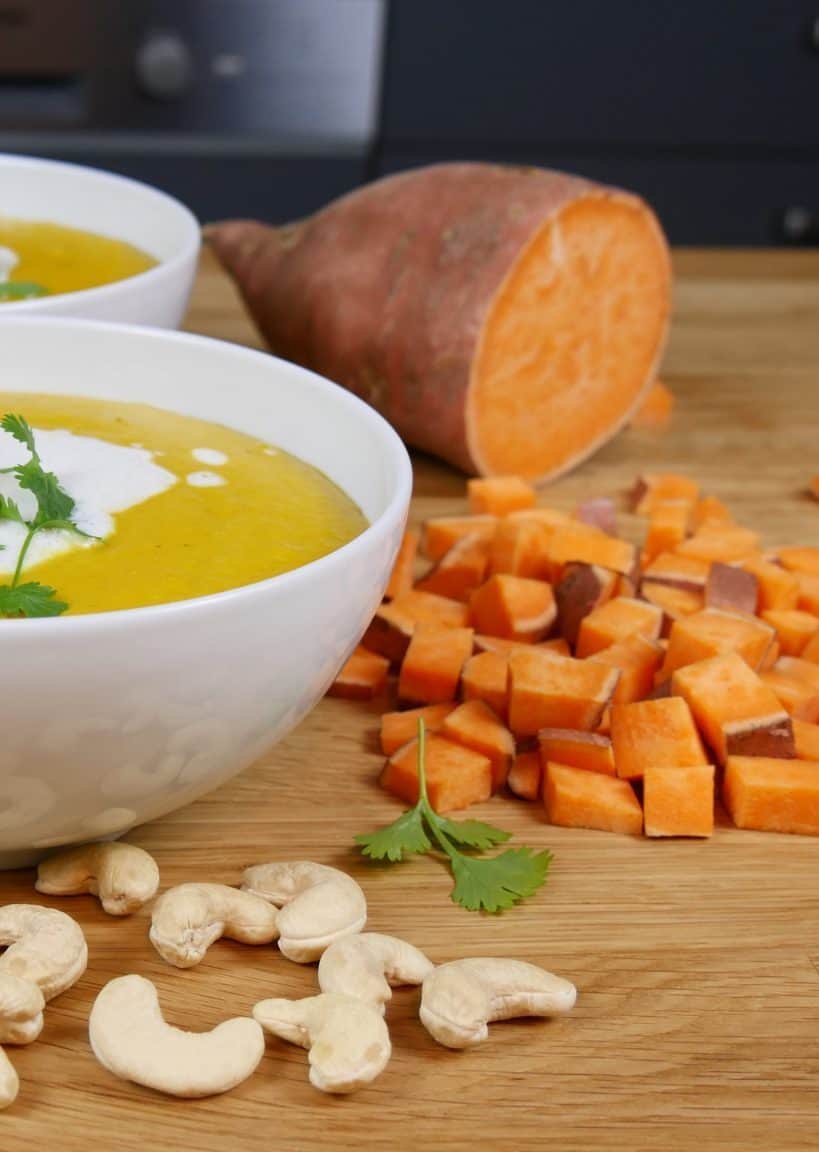
- Sweet Potato, 1 medium - 694 mg
- Beet Greens, ½ cup cooked - 655 mg
- Potato, 1 medium - 610 mg
- White Beans, ½ cup - 595 mg
- Tomato Puree, ½ cup - 549 mg
- Prune Juice, ¾ cup - 530 mg
- Green Soybeans, ½ cup - 485 mg
- Lima Beans, ½ cup - 484 mg
- Winter Squash, ½ cup - 448 mg
- Banana, 1 medium - 422 mg
- Spinach, ½ cup cooked - 419 mg

What About Salt Substitutes?
Salt substitutes are generally potassium chloride, whereas table salt is sodium chloride. The salt substitutes taste salty, without having the negative effects of the sodium. This can make them a suitable alternative for people with heart disease and high blood pressure (but NOT for people with kidney disease).
My recommendation is to reduce salty-tasting foods overall, including salt subs. The reason is that simply switching to a salt sub does nothing to curb your desire (or craving) for salty foods. Using a salt substitute while you're slowing decreasing your intake of salty-tasting foods is a great way to use them!


Leave a Reply